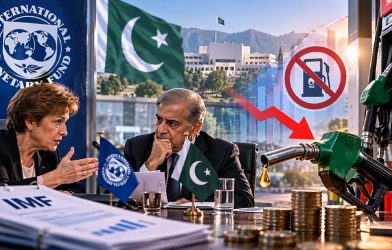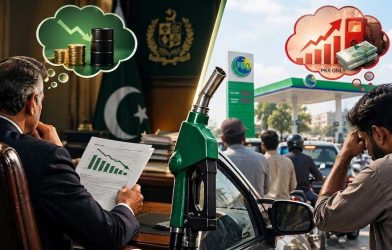

Pakistani consumers face another significant fuel cost increase. The federal government implemented a substantial petrol price hike September 8 specifically. Petrol prices jumped by Rs12.9 per litre effective immediately. Additionally, high-speed diesel increased by Rs3.72 per litre simultaneously. According to Petroleum Division notification, petrol now costs Rs358.77 per litre. Meanwhile, HSD pricing reached Rs381.77 per litre for this specific date.
This latest revision follows recent mixed pricing patterns specifically. From September 5 to September 7, petrol actually decreased by Rs3.13. However, HSD increased by Rs3.74 per litre during that same period. Therefore, this week’s overall trajectory shows predominantly upward pressure.
Understanding current pricing mechanisms requires examining recent policy changes. On July 17, the government announced daily pricing review implementation. This replaced the previous weekly pricing mechanism entirely. Renewed US-Iran tensions specifically drove this change. These tensions created substantial global oil market volatility recently.
Pakistan’s economic vulnerability to oil price fluctuations remains structurally significant. According to the Pakistan Economic Survey 2024-25, petroleum products represent major import categories. Domestic refineries satisfy only partial national demand currently. The remainder requires importing both crude oil and refined products. Consequently, every international price increase raises Pakistan’s import bill directly. This pressures foreign exchange reserves while contributing to inflation.
Historical context reveals previous problematic pricing approaches. Pakistan previously maintained substantial pricing control through subsidies. While protecting consumers temporarily, this approach imposed serious fiscal costs. Governments often delayed passing price increases during elevated global prices. This created financial pressure for oil companies, refineries and national budgets. Large subsidies widened fiscal deficits and increased public borrowing substantially.
Current geopolitical developments continue driving significant pricing risks. International prices reflect OPEC+ decisions, Middle East conflicts and sanctions. Additionally, shipping route disruptions affect pricing directly. This includes critical waterways like the Strait of Hormuz and Red Sea. Since Pakistan imports most petroleum requirements, these developments quickly affect domestic prices.
Recent developments specifically escalated regional tensions substantially. Oil prices reached six-week highs Monday specifically. Iran vowed striking Middle East energy infrastructure directly. This represents response to further US attacks on Iranian assets. This escalation has already sharply reduced regional oil supply.
Market data confirms this pricing pressure clearly. Brent crude futures rose 85 cents, reaching $97.13 per barrel. This occurred by 12:38 PM EDT specifically. Earlier, prices hit $98.06, marking the highest point since July 24.
Maritime security concerns have intensified alongside these tensions. Marisks, a maritime intelligence firm, highlighted troubling developments specifically. “Commercial tankers are now being deliberately used as instruments of reciprocal economic pressure, substantially weakening the previous distinction between military confrontation and commercial shipping,” they stated.
Finally, this petrol price hike September reflects broader geopolitical instability directly impacting Pakistani consumers, with continued Middle East tensions suggesting further price volatility remains likely in coming weeks.