
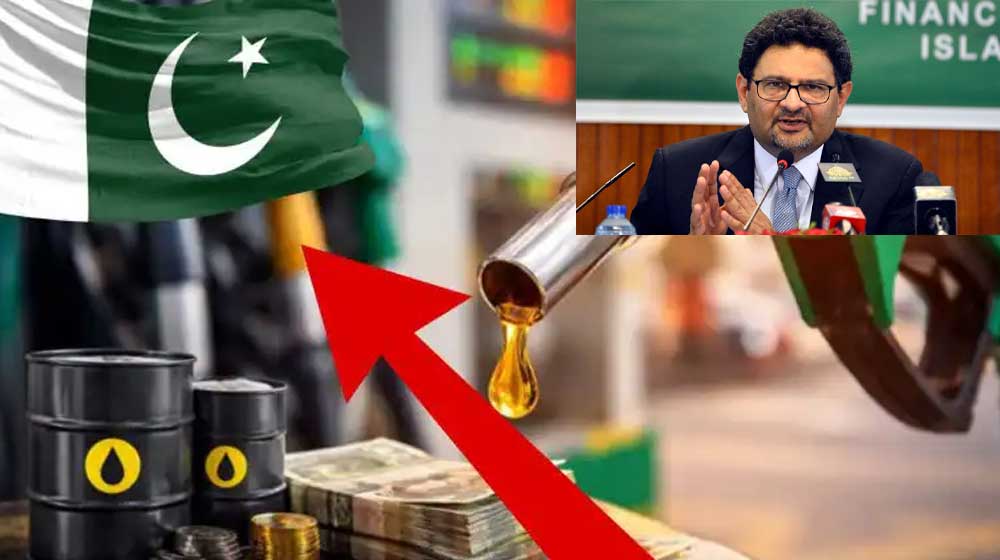
Petrol actually costs around Rs. 220 per litre by the time it reaches Pakistani shores. Everything above that represents petrol taxes and OMC profits. Therefore, according to former finance minister Miftah Ismail, the government is squeezing consumers while protecting oil company margins.
Ismail spoke on ARY News’ Sawal Yeh Hai program laying out his analysis. He said the Rs. 220 figure includes import costs and duties. Meanwhile, consumers pay substantially more at pumps. Consequently, the gap between actual cost and retail price reflects government policy choices, not market forces.
The government protects oil company margins deliberately, Ismail alleged. Companies maintain healthy profits while consumers absorb massive taxes. Furthermore, motorcycle riders bear the heaviest burden. Nearly 60 percent of Pakistan’s petrol goes to motorcyclists. Additionally, they pay approximately Rs. 120 per litre in taxes alone. Therefore, low-income riders subsidize the system disproportionately.
Ismail questioned why reducing petrol prices for motorcyclists remains rejected. The IMF supposedly opposes such measures. However, he argued that protecting motorcycle affordability would ease cost-of-living pressures significantly. The former finance minister criticized daily price adjustments as fake deregulation. True market deregulation would let supply and demand set prices. Instead, the government simply changed how often it manipulates rates.
The Petroleum Division announced separately that prices remain unchanged through July 27. Petrol costs Rs. 335.18 per litre. Meanwhile, high-speed diesel sits at Rs. 383.46. Low-income consumers ultimately subsidize this system. Motorcycle riders cannot afford alternatives. Finally, Ismail’s critique exposes how current pricing structures squeeze ordinary Pakistanis most painfully.