

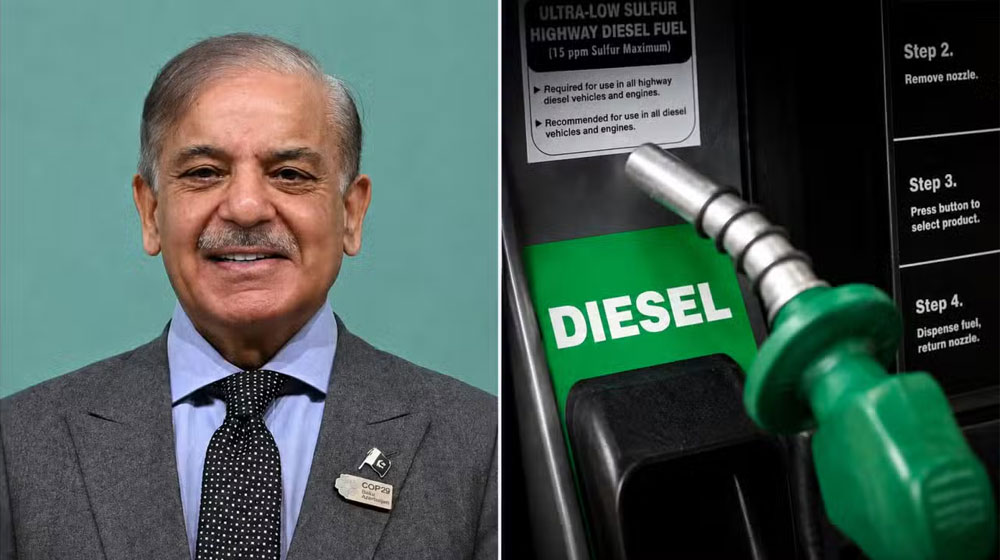
Pakistan’s fuel consumers received unexpected good news this week. The government implemented a significant diesel price cut reducing HSD prices by Rs. 32.63 per liter. Therefore, the diesel price cut brings relief to commercial operators and everyday consumers. High-speed diesel now costs Rs. 363.69 per liter. However, petrol prices increased by Rs. 2.97 per liter to Rs. 337.51. The government achieved this diesel price cut through an innovative arrangement with domestic refineries. The mechanism involved capping the diesel crack spread at $41.5 per barrel. Meanwhile, the normal international crack spread was approximately $68 per barrel. This significant difference enabled the substantial consumer relief.
The arrangement required intensive negotiations between government officials and refinery management. Petroleum Minister, petroleum secretary and four Karachi-based refineries participated in virtual meetings. Prime Minister Shehbaz Sharif directed these discussions personally. Government officials emphasized Pakistan’s fuel supply realities strategically. Approximately 70 percent of Pakistan’s HSD comes from local refineries. These refineries import crude oil converting it domestically. Therefore, their cooperation became essential for implementing the diesel price cut. The government sought refinery participation absorbing part of higher international prices. This approach prevented full cost transmission to consumers directly.
Refineries initially rejected certain proposals from the government. They declined reducing gross refinery margins as requested. However, they ultimately agreed to the diesel price cut mechanism. Importantly, refineries sought recovery of premiums paid on imported crude. They argued that additional costs require recognition in pricing mechanisms. Without this adjustment, refineries would face substantial losses. Therefore, the final arrangement balances consumer relief with refinery viability. The crack spread cap recognizes crude import premiums. This approach enables the diesel price cut while maintaining refinery operations.
The crack spread cap remains temporary by design. Government officials expect it to remain until conditions improve substantially. The Strait of Hormuz situation significantly impacts international oil prices. Additionally, broader oil market stabilization could allow normal pricing. Therefore, the diesel price cut represents emergency relief rather than permanent pricing change. Refineries monitor international conditions continuously. They will likely seek cap adjustments as circumstances evolve. Meanwhile, consumers benefit from immediate cost relief currently.
Downstream fuel sector participants face potential challenges. Oil marketing companies and fuel dealers may experience difficulties. Many hold high-speed diesel stocks purchased at elevated prices. Now they must sell inventory at lower government-notified rates. Consequently, downstream operators could incur substantial losses. This sector impact represents the cost of providing consumer relief. However, officials apparently determined consumer welfare outweighed downstream sector concerns. Finally, the diesel price cut demonstrates government commitment to managing inflation pressures affecting ordinary Pakistanis.