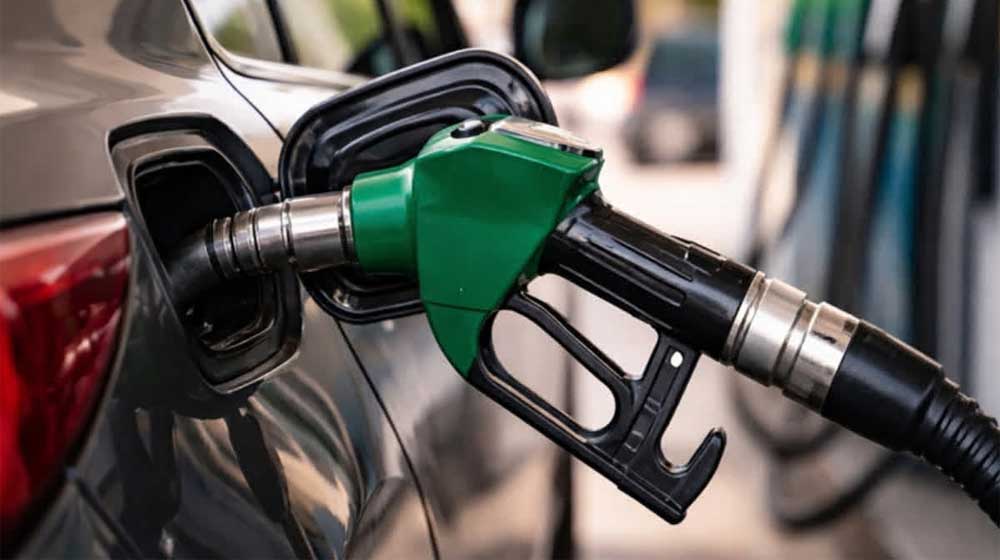
Pakistan’s fuel costs are spiraling upward. The petrol price increase Pakistan has jumped Rs. 25 per litre in just 10 days. Meanwhile, global crude oil prices declined during the same period. Therefore, the disconnect between international and domestic prices reveals a troubling gap.
The government raised petrol prices again Tuesday. The increase reached Rs. 1.63 per litre, pushing prices to Rs. 335.81. High-speed diesel climbed Rs. 1.55 per litre to Rs. 388.38. However, the real shock emerges when tracking the 10-day trajectory.
Since July 17, petrol has jumped Rs. 25.10 per litre from Rs. 310.71. Meanwhile, diesel surged Rs. 65.08 per litre from Rs. 323.30. These dramatic increases followed Pakistan’s introduction of daily fuel pricing. Additionally, the frequency of adjustments appears to accelerate price growth substantially.
Global trends contradict domestic movements. Brent crude declined from USD 88 per barrel on July 17 to USD 83. Furthermore, West Texas Intermediate fell from USD 82.49 to USD 78.51 during the same period. Therefore, crude prices moved downward internationally. Still, Pakistani consumers paid dramatically more.
Refined fuel prices showed volatility. Gasoline peaked at USD 118 per barrel before easing to USD 110. Meanwhile, diesel reached USD 169 before falling to USD 150.58. However, these fluctuations don’t explain Pakistan’s consistent upward trajectory.
The government’s levy structure tells part of the story. Pakistan collects Rs. 80 per litre in petroleum levy on petrol. Additionally, Rs. 5 per litre goes to climate support levy. Furthermore, customers pay Rs. 15 per litre in customs duty. Oil marketing companies receive Rs. 8.64 per litre margin. Dealers get Rs. 7.87 per litre. Consequently, government takes over Rs. 100 per litre before actual fuel costs.
High-speed diesel faces similar pressures. The government collects Rs. 70.82 per litre in petroleum levy. Additionally, Rs. 5 per litre goes to climate support. Furthermore, Rs. 15 per litre applies as customs duty. Fixed margins for companies and dealers add further layers.
The petrol price increase Pakistan pattern suggests policy choices matter more than global markets. Finally, consumers bear the full burden while international crude prices move favorably.