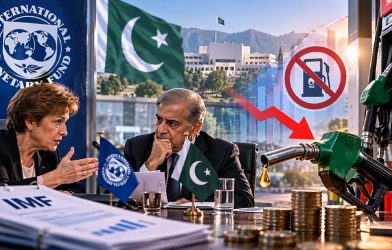

The International Monetary Fund (IMF) executive board will meet in the first week of May to review the national economic program. During this session, the board likely will approve a 1.2 billion dollar deposit for the State Bank of Pakistan. This funding belongs to the ongoing $7 billion loan arrangement aimed at stabilizing the economy. Finance ministry officials confirm that Pakistan has fulfilled all key conditions under the current program. Because the government met these requirements, no major hurdles remain for the release of the next installment.
Pakistan also expects to receive an additional $210 million through the Resilience and Sustainability Facility. This money focuses on climate financing and long-term economic strength. The ministry recently briefed the IMF regarding the government’s targeted petroleum subsidy plan. Officials held these consultations before they passed the increase in global oil prices to consumers. To manage potential risks, the government set aside Rs. 300 billion in emergency funds. These steps show the government’s commitment to maintaining fiscal discipline while protecting the budget.
Securing Extensions and the 1.2 billion dollar deposit
The government has already assured the IMF that friendly countries will roll over their existing deposits. Currently, the State Bank of Pakistan holds $5 billion from Saudi Arabia and $4 billion from China. The United Arab Emirates also maintains $3 billion in the central bank. While $2 billion of the UAE funds matures this month, officials feel confident about a quick extension. Ongoing talks seek long-term extensions for both Saudi and UAE deposits to ensure external financing remains stable.
Securing these rollovers is a vital step toward receiving the 1.2 billion dollar deposit in May. These bilateral funds provide a necessary cushion for the national foreign exchange reserves. By managing these relationships, the finance ministry protects the country against sudden market shifts. The upcoming IMF meeting represents a major milestone for the current fiscal year. As the date approaches, the government continues to monitor its financial targets to ensure the program stays on track.