
GST rate increase Pakistan budget threat looms over EVs, solar panels, laptops, and food items as the government targets Eighth Schedule concessions
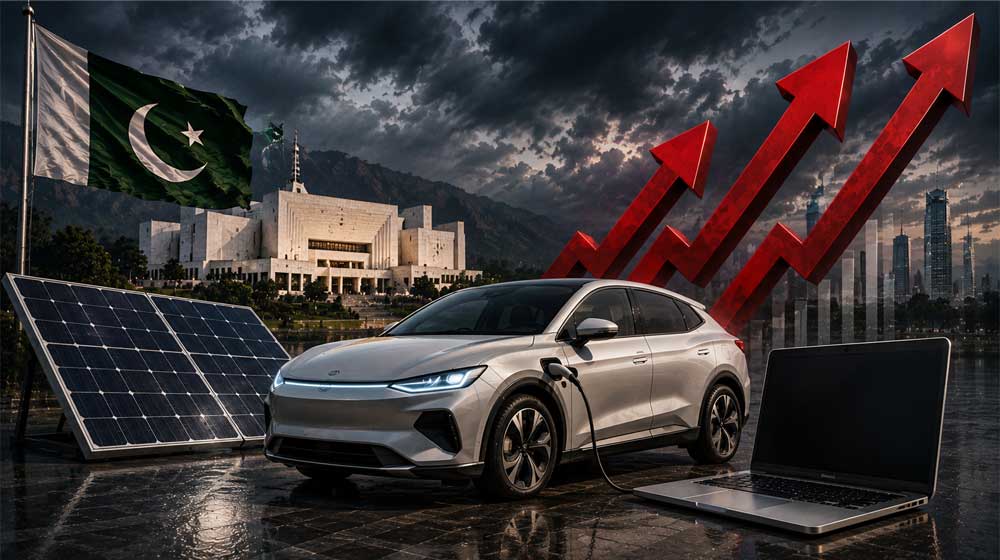
Pakistan’s upcoming budget could make several everyday essentials more expensive. The government is considering withdrawing or reducing concessional GST rates currently available under the Eighth Schedule of the Sales Tax Act. The GST rate increase Pakistan threat covers a wide range of products. These include locally manufactured electric vehicles, hybrid vehicles, imported laptops and computers, tractors, photovoltaic solar cells, fertilizers like DAP, pharmaceutical raw materials, poultry feed, cattle feed, stationery, and selected food items. Moreover, the federal budget presentation on June 10 will clarify exactly which concessions survive and which get cut.
Currently, Eighth Schedule products enjoy reduced GST rates ranging from 1 percent to 13 percent. That sits far below the standard sales tax rate. Furthermore, these concessions have supported affordability and investment across multiple sectors. Therefore, withdrawing them would push up prices for consumers and raise costs for businesses simultaneously.
The pressure behind the changes comes directly from Pakistan’s tax reform commitments. The government is working to broaden the tax base, reduce preferential treatments, and simplify the overall tax structure. Furthermore, the IMF-supported programme has consistently pushed for rationalising tax expenditures and phasing out exemptions. Therefore, these Eighth Schedule concessions have been in the crosshairs for some time.
No final decision has been announced. Still, sectors benefiting from reduced rates are watching the budget closely. A withdrawal of EV concessions could slow Pakistan’s still-developing electric vehicle market. Higher taxes on solar panels could dent the country’s booming rooftop solar adoption. Furthermore, increased costs on laptops and cattle feed hit both urban professionals and rural farmers directly.
Finally, June 10 will reveal whether the government prioritises revenue collection over the affordability concerns of millions of Pakistani consumers and businesses.