
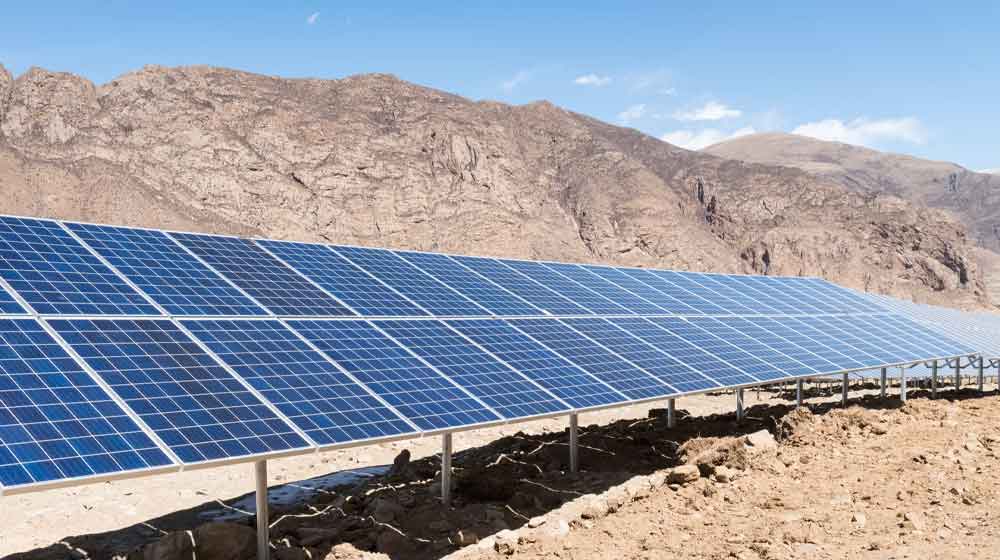
Pakistan has taken decisive steps to confront a massive solar import money laundering case. This action follows firm assurances the government gave to the International Monetary Fund.
Authorities discovered that nearly Rs 70 billion may have flowed out of the country through over-invoiced solar panel imports. This allegedly happened between 2017 and 2022.
Therefore, Prime Minister Shehbaz Sharif has established a high-level supervisory committee. The committee will monitor disciplinary action against officials who failed to prevent the fraud.
The inquiry report paints a troubling picture of systemic failure. For instance, investigators found that around 6,232 import documents were allegedly over-invoiced over five years. As a result, an estimated Rs 69.5 billion left the country.
Trade-based money laundering often works in two ways. Offenders either overstate import values or understate export proceeds. Consequently, this case appears to follow that exact pattern.
The Financial Monitoring Unit received sharp criticism as well. Specifically, the agency showed weak currency analysis and poor detection of suspicious transactions.
Several institutions failed in their duties. For example, the Securities and Exchange Commission of Pakistan registered shell companies with minimal capital. Yet it did not properly analyze annual returns or audit reports.
Similarly, the State Bank of Pakistan delayed penalties for weak bank inspections. The bank acted only after the Senate Standing Committee on Finance intervened.
Commercial banks also cleared inflated import values for years. Moreover, they operated without effective post-audit checks. This let billions of rupees flow through the system unnoticed.
Now Pakistan has assured the IMF that it will strengthen interagency data sharing. In addition, the country will tighten oversight of trade-based transactions.
Better coordination on foreign currency reporting forms part of the plan. Likewise, the government promised enhanced monitoring of trade-based money laundering at both macro and transaction levels.
These moves are essential for satisfying IMF commitments under the latest staff-level agreement. That agreement includes stronger anti‑money laundering and counter‑terror financing controls.
The prime minister’s supervisory committee will submit fortnightly reports to the Prime Minister’s Office. The committee is led by Establishment Division Secretary Barrister Nabeel Awan.
Its tasks include monitoring disciplinary proceedings. Furthermore, it will identify additional officials who may have escaped earlier scrutiny.
The committee also recommended that the central bank strengthen compliance through real‑time automated tools. The central bank should conduct internal audits of its inspection units as well. Finally, it should create an accountability framework for repeated bank non‑compliance.
This case shows how solar import money laundering exploits weak coordination and official inaction. Nevertheless, the new measures aim to close those gaps for good.