Pakistanis Could Pay Even More at the Pump as IMF Targets Push Fuel Levy Higher
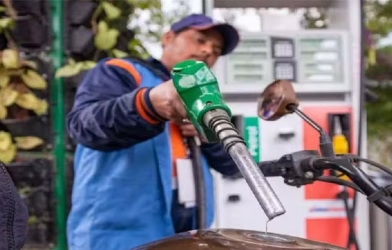
Fuel costs in Pakistan may be heading for another uncomfortable rise. The International Monetary Fund has released updated economic projections for the upcoming fiscal year, and the numbers point clearly in one direction. The Pakistan fuel levy IMF targets show petroleum development levy receipts rising to Rs. 1.727 trillion next year. That is up from Rs. 1.546 trillion expected this year, which itself exceeded the original target of Rs. 1.468 trillion. Therefore, fuel taxation is not just staying — it is growing.
The broader revenue picture is equally demanding. Pakistan’s total tax collection target for next fiscal year could reach Rs. 15.264 trillion. Direct taxes are projected to generate Rs. 7.413 trillion. Sales tax revenues may hit Rs. 4.727 trillion. Furthermore, customs duties could contribute Rs. 1.651 trillion, while federal excise duty collections are estimated at Rs. 1.043 trillion. The government, therefore, faces an enormous collection challenge across every major tax category.
Gas surcharge revenues are also climbing. Against a target of Rs. 90 billion this year, collections may reach Rs. 134 billion. Next year, that figure could rise further to Rs. 151 billion. Moreover, non-tax revenues tell a mixed story. Pakistan expects to collect Rs. 3.702 trillion this year, slightly above target. However, non-tax revenues are projected to fall to Rs. 2.768 trillion in the next fiscal year.
On the spending side, total public expenditure for next year is estimated at Rs. 26.423 trillion. Debt servicing remains the single largest cost. The federal government may spend Rs. 7.824 trillion on interest payments alone. Domestic debt repayments add another Rs. 6.652 trillion. Foreign debt servicing could require a further Rs. 1.107 trillion. Together, these obligations consume a staggering share of the national budget.
Defence spending is also set to rise. The current year allocation of Rs. 2.564 trillion is projected to increase to Rs. 2.665 trillion next year. Still, it is fuel levies and debt servicing that dominate the fiscal conversation. Finally, for ordinary Pakistanis already stretched by inflation, the IMF’s projections offer little immediate comfort.