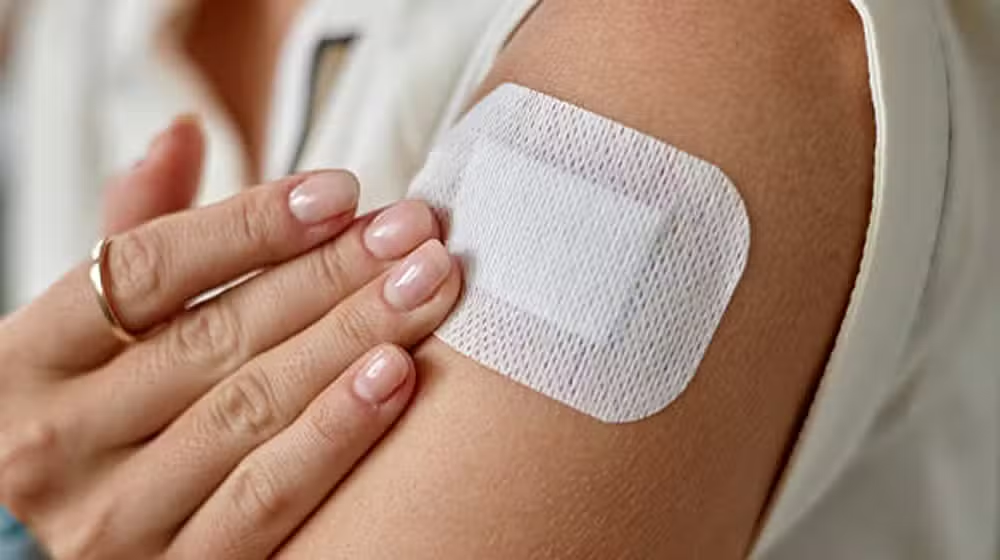
Scientists have developed an experimental wearable patch capable of destroying 97 percent of melanoma tumors. Remarkably, the patch does not require surgical removal of the cancer. Consequently, this wearable patch kills 97 percent of cancer cells when activated by a low power laser. The research was published in the scientific journal ACS Nano. The flexible patch uses laser induced graphene embedded with copper oxide nanoparticles. When exposed to the laser, the patch gently heats to about 42 degrees Celsius. This heat safely releases copper ions directly into cancerous tissue.
These copper ions generate toxic oxidative stress inside tumor cells. They kill the cancer without harming surrounding healthy skin. Therefore, the wearable patch kills 97 percent of cancer through a targeted non toxic mechanism. The system combines multiple treatment methods into a single wearable platform. It works only at the targeted site. In laboratory tests on mice with melanoma, researchers reported tumor reduction of roughly 97 percent within ten days. The treatment also prevented cancer cells from spreading beyond the original tumor location.
Scientists observed no detectable organ toxicity during the study period. Long term copper accumulation in the body did not occur. This suggests the therapy may reduce many side effects associated with traditional chemotherapy or radiation. Unlike conventional treatments that rely on surgery or systemic drugs, the wearable patch kills 97 percent of cancer non invasively. The device remains flexible, reusable, and quite similar to a medical bandage placed directly over affected skin.
Melanoma is one of the deadliest forms of skin cancer. Doctors typically treat it through surgical excision. This experiment suggests wearable treatment patches could eventually destroy tumors without surgery. However, the technology remains at an early experimental stage. Human clinical trials have not yet begun. The findings are limited to animal models for now.