Iran sharply raised regional tensions on Wednesday by warning it could block more strategic sea routes after closing the Strait of Hormuz. At the same time, the United States increased pressure through military action and a naval blockade. These developments have intensified concerns over global energy supplies and international shipping.
The Islamic Revolutionary Guard Corps (IRGC) said regional energy exports should remain open for everyone or stop for everyone. The statement suggested Tehran could expand the conflict beyond the Strait of Hormuz. As a result, governments and energy markets began closely monitoring other vital shipping routes.
Iran shifts focus to Bab el-Mandeb
Attention has now turned to the Bab el-Mandeb Strait, which links the Red Sea with the Gulf of Aden. Analysts believe Iran could rely on its Houthi allies in Yemen to disrupt commercial shipping through the strategic passage. Such a move would create fresh risks for global trade and energy supplies.
A senior Houthi official warned that continued Saudi military action could force the group to close the waterway. He claimed such a step could push oil prices as high as 200 dollars per barrel. The Houthis have previously attacked commercial vessels in the Red Sea, demonstrating their ability to disrupt international shipping.
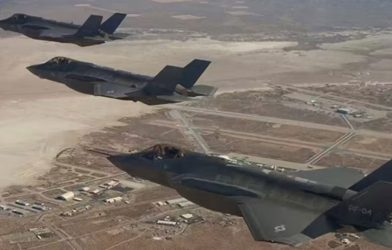
The United States said Iran attacked seven commercial ships during the past week. According to US officials, the attacks left several crew members dead, injured, or missing. In response, American forces launched hours of strikes on military targets near the Strait of Hormuz and along Iran’s coastline.
Meanwhile, the IRGC claimed it targeted American military facilities and logistics sites in Bahrain, Kuwait, and Jordan. Jordan confirmed that its forces intercepted three ballistic missiles after they entered the country’s airspace. These exchanges further increased fears of a wider regional conflict.
Hormuz closure raises energy concerns
The IRGC declared that the Strait of Hormuz would remain closed until what it described as the end of American aggression. Before the conflict escalated, nearly one-fifth of the world’s daily oil and gas shipments passed through the strategic waterway. The continued closure has renewed concerns about prolonged supply disruptions.
The latest escalation follows the collapse of a fragile ceasefire reached in June. Renewed fighting has increased uncertainty across global energy markets. Traders and governments continue monitoring developments because further disruptions could affect fuel prices and international trade.
US President Donald Trump also increased pressure on Tehran during the latest escalation. He warned that American forces could target Iranian power plants and bridges if Iran refused to restart negotiations. However, he dropped an earlier proposal to impose a 20 percent shipping fee through the Strait of Hormuz.
Instead, Trump said Washington would pursue new investment agreements with Gulf states. Meanwhile, oil prices continued rising after reaching their highest levels in more than a month. Investors remain concerned that the conflict could tighten global energy supplies and create further instability in international markets.