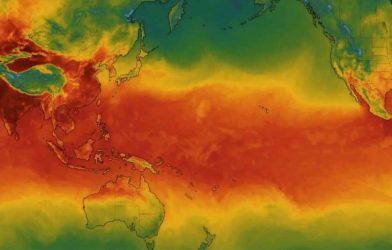


A deadly heatwave that has claimed thousands of lives across Europe is now moving toward North America, creating fresh challenges for the ongoing tournament. The World Cup heatwave threat has shifted focus as weather officials in the US have warned that temperatures in parts of the country could reach around 38°C this week. The heat is expected to build through the Independence Day holiday period. Therefore, several World Cup host cities will enter a crucial stage of the tournament facing dangerous conditions.
The growing World Cup heatwave threat comes just as Europe continues to struggle with severe and prolonged extreme temperatures. France has recorded nearly 1,000 deaths over the past week alone. Spain has reported more than 325 additional fatalities. Several European countries have also experienced transport disruption as high temperatures continue to strain public infrastructure significantly.
Health officials have repeatedly warned that heat ranks among the deadliest weather threats globally. Now the same concern is shifting to North America as the World Cup moves deeper into its knockout rounds. Therefore, tournament organizers face mounting pressure to protect players and spectators from dangerous conditions.
FIFA had already entered the tournament under pressure over weather planning. The governing body introduced mandatory hydration breaks in every match. Additionally, host venues were expected to activate extra cooling measures where needed. So officials acknowledged heat concerns before the World Cup heatwave threat intensified in North America.
The ongoing tournament has entered its Round of 32 stage with major developments occurring daily. Canada, Brazil, Paraguay, and Morocco have advanced through to the Round of 16. These teams knocked out South Africa, Japan, Germany, and the Netherlands respectively in dramatic encounters. So the competition has produced several significant upsets during the group stage.
Temperature records continue falling across affected regions. When heat reaches such dangerous levels, it threatens not just player safety but also spectator wellbeing. Therefore, FIFA must monitor conditions closely and potentially implement additional protective measures. Moreover, medical staff at venues need proper equipment and training to handle heat-related emergencies.
Athletes perform at their peak during moderate temperatures. Extreme heat forces bodies to work harder, increasing injury risk and reducing performance quality. Additionally, extended exposure to dangerous temperatures can trigger serious health complications. So the World Cup heatwave threat has legitimate implications for match quality and player welfare.
Venue preparations become critical during such conditions. Air conditioning systems in stadiums must operate at maximum capacity. Furthermore, shaded seating areas and water stations should be positioned throughout facilities. Additionally, first aid stations should stockpile supplies for treating heat-related illnesses. Finally, medical teams should receive additional training on recognizing and responding to heat exhaustion.