
JD Vance warns Israel against criticizing Trump as tensions surface following the historic Islamabad MoU
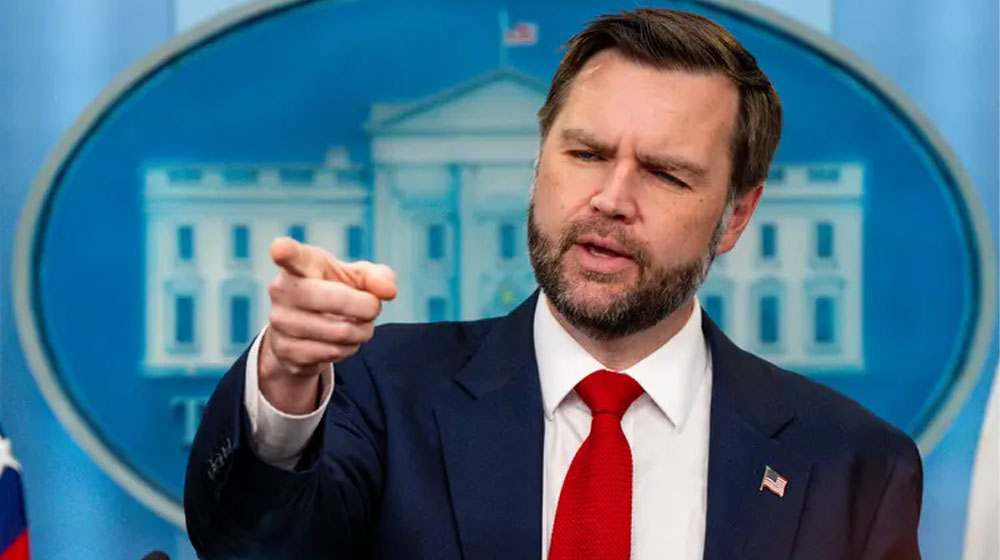
US Vice President JD Vance has issued a sharp rebuke to certain members of the Israeli cabinet. He criticized their recent personal remarks targeting President Donald Trump, calling such statements inappropriate given the strategic relationship between the two countries.
Vance did not hold back while speaking to journalists. He described Trump as the only head of state in the world currently sympathetic to Israel. Furthermore, he noted that Trump leads the world’s most powerful nation, making the relationship uniquely valuable for Israel’s security interests.
BREAKING: JD Vance absolutely slams Netanyahu's government:
— Clash Report (@clashreport) June 18, 2026
Over the last three months, two-thirds of the defensive weapons that have protected Israel have been built by American hands and paid for by American tax dollars.
The problem for Israel is not Donald J. Trump, and… pic.twitter.com/knZCKUdvL9
He then issued a direct warning to Israeli officials. He said that if he sat in Israel’s cabinet, he would think twice before attacking the country’s only remaining powerful ally. The remark reflected clear frustration with comments coming out of Israeli political circles in recent weeks.
Vance also pointed to concrete US military support as evidence of the alliance’s value. He stated that two-thirds of the defensive weapons protecting Israel over the past three months were built by American hands and paid for by American tax dollars. Therefore, he argued, criticism of the US president sits uneasily alongside the scale of American military and financial backing.
JD Vance warns Israel that internal voices blaming Trump for the country’s challenges are misreading the broader geopolitical reality. He said anyone in Israel who views the US president as the nation’s biggest problem needs to recognize the actual situation the country faces. Moreover, he framed this messaging as a wake-up call rather than mere political commentary.
The remarks arrive at a particularly sensitive moment. The recently signed Islamabad MoU has reshaped the regional dynamic between the US, Iran, and the broader Middle East. Additionally, Israel’s objections to aspects of that peace process have reportedly created friction within Washington’s diplomatic circles.
Vance’s comments suggest the Trump administration views continued Israeli criticism as both ungrateful and strategically unwise. For Israel, balancing domestic political pressures against the realities of its dependence on US military support remains a delicate task. However, Vance’s blunt remarks make clear that Washington expects greater alignment, particularly at a moment when broader regional diplomacy is shifting rapidly.