

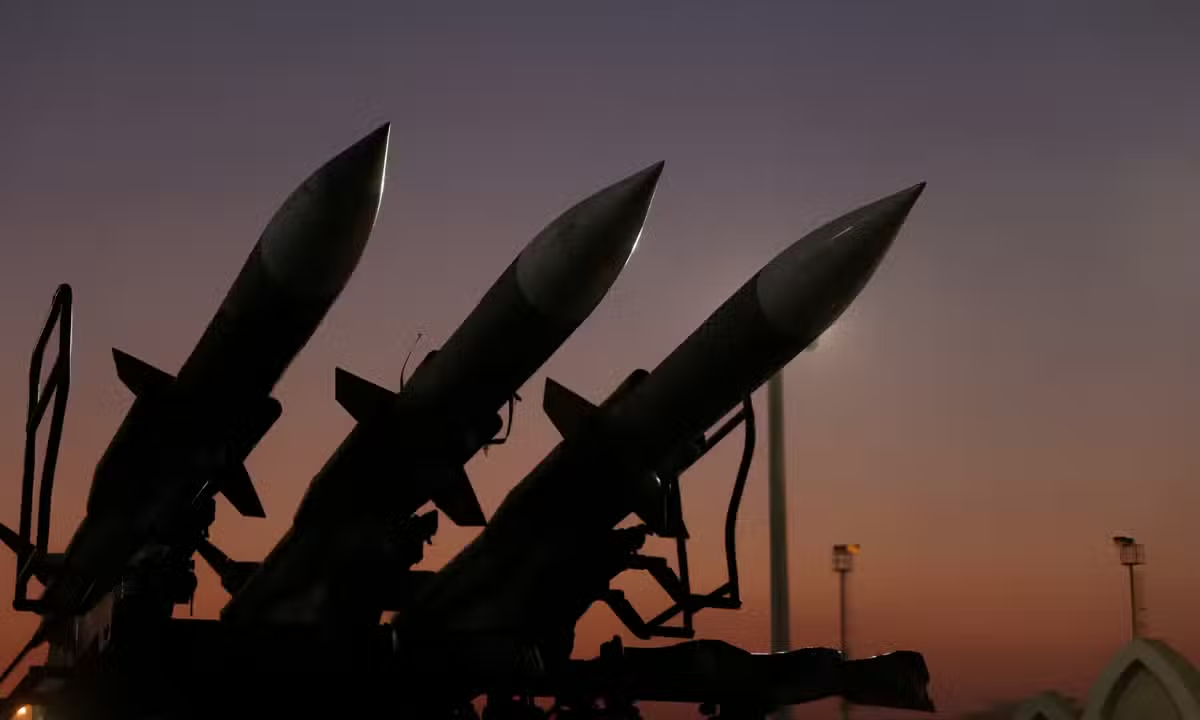
Iran drone defense system Arash-e Kamangir makes its alleged combat debut near the Strait of Hormuz in a claim that raises fresh Gulf tensions
Iran has made a striking claim. The country says it used a newly unveiled air defense system to shoot down a US MQ-9 Reaper drone near the Strait of Hormuz earlier this week. Iranian media identified the system as Arash-e Kamangir — a locally developed platform with stealth-detection capability. The Iran drone defense system reportedly intercepted the drone near Qeshm Island. Moreover, Iranian officials described the incident as the system’s first combat use.
No independent confirmation of the claim exists. The exact system involved and the circumstances of the interception remain unverified. Analysts therefore urge caution. Iran has a history of publicizing military achievements that outside observers cannot easily verify. Still, the broader claim carries some plausibility. Tehran has spent years developing cheaper, mobile, and domestically produced systems specifically designed to target drones and low-flying aircraft.
Security experts say these systems may rely on electro-optical or heat-seeking guidance rather than traditional radar-based tracking. That makes them easier to hide, move, and deploy quickly. Furthermore, that kind of setup could prove particularly effective against slower surveillance drones like the MQ-9 Reaper. Therefore, even a modest air defense capability can create serious operational headaches for adversaries.
The timing adds weight to the story. Tensions in the Gulf remain high despite a fragile ceasefire. Reports of a drone interception near one of the world’s most critical shipping routes draw immediate attention. Iran’s message was direct — the interception served as a warning to hostile aircraft operating near its airspace and maritime borders around the Strait of Hormuz.
Iran’s larger air defense network has suffered significant damage in previous attacks. Older radar-guided systems and fixed missile batteries took heavy hits. However, smaller and more mobile systems may still give Tehran limited but meaningful retaliatory capacity. Finally, if Iran retains even a fraction of that capability, it adds a persistent layer of risk to Gulf security and shipping operations through the Strait of Hormuz.