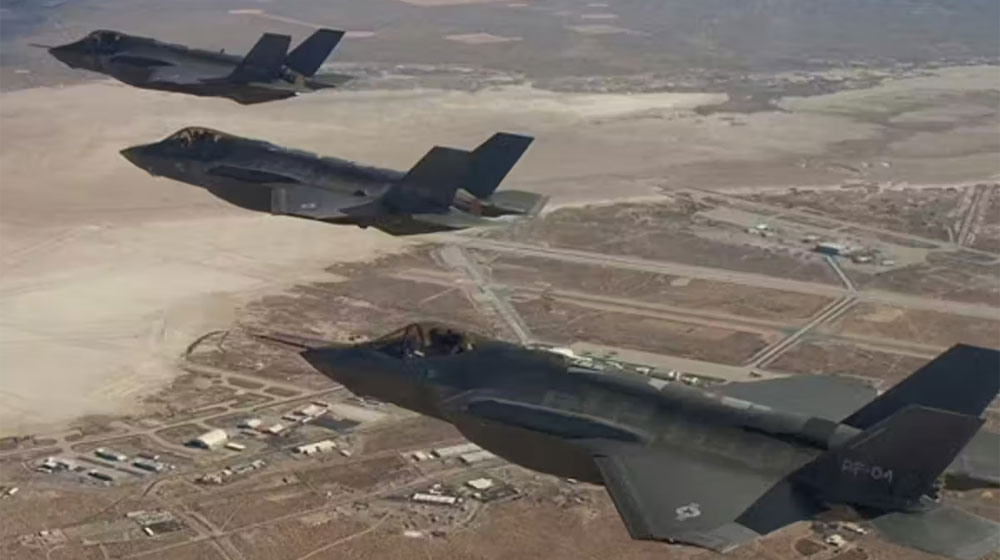
Iraq became a battlefield Wednesday. The US-Saudi strikes Iraq killed at least 20 members of the Popular Mobilization Forces. Additionally, 32 more were wounded in the coordinated attack. Therefore, the operation marks a significant escalation in regional tensions. Moreover, it exposes Baghdad’s impossible position between Washington and Tehran.
The strikes targeted PMF bases across seven provinces. Baghdad, Nineveh, and Basra all saw military action. However, Nineveh and Diyala suffered the heaviest casualties. PMF officials confirmed the preliminary death toll to media outlets. Additionally, they reported substantial material damage across the facilities.
The PMF condemned the action as “aggression.” The organization described itself as an official security institution. However, it acknowledged that some brigades maintain independent connections to Tehran. The group was created in 2014 to fight militants. Subsequently, Iraq formally integrated it into the armed forces. Still, the arrangement remains complicated and politically contentious.
Saudi Arabia justified the strikes through security claims. Riyadh said its forces intercepted drones targeting eastern oil facilities. Furthermore, Riyadh blamed “Iran-backed” groups in Iraq for the attempted assault. However, those groups denied responsibility entirely. Moreover, they warned Saudi Arabia against future military action.
The most active pro-Iran factions operate under the Islamic Resistance in Iraq umbrella. This alliance has backed Tehran throughout the Middle East conflict. The group has claimed hundreds of attacks on US bases regionally. Still, it has not claimed any operations since hostilities resumed recently.
Prime Minister Ali al-Zaidi faces impossible pressures. He came to power this year with Washington’s backing. Additionally, he promised to disarm pro-Iran groups. However, powerful factions have resisted his demands fiercely. Zaidi visited both the United States and Iran this month. Therefore, he is attempting to navigate between competing powers.
Iraq’s position remains fundamentally compromised. Washington and Tehran are both strategic allies. Still, their rivalry has repeatedly transformed Iraq into a proxy battleground. Successive governments struggle maintaining balance between the two superpowers. The US-Saudi strikes Iraq demonstrate this dynamic clearly. Finally, Baghdad’s ability to assert sovereignty remains severely constrained.