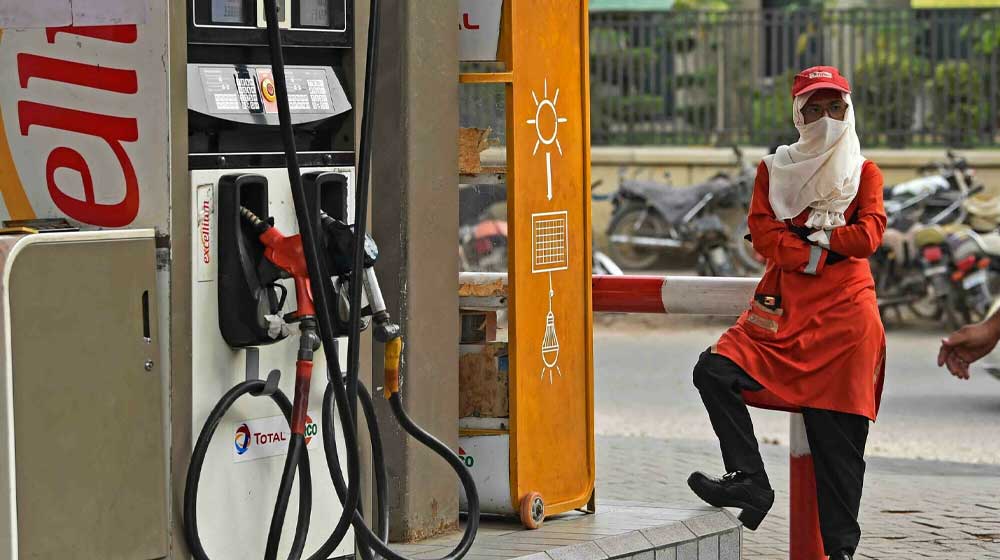
Pakistan announced ambitious plans transforming its fuel pricing structure fundamentally. The Petroleum Pricing Committee revealed specific deregulation targets Thursday. Therefore, petrol price deregulation Pakistan aims achieving market-based systems by June 2027 specifically. Petroleum Minister Ali Pervaiz Malik chairs this important committee. The group reviewed current pricing mechanisms comprehensively during recent discussions. Additionally, they explored measures improving transparency and predictability throughout the system.
This proposed deregulation will proceed gradually protecting consumers specifically. Sudden price shocks could otherwise devastate household budgets significantly. Therefore, careful implementation timing prevents dramatic market disruption. The committee reviewed specific recommendations regarding pricing formula modifications. Subsequently, they agreed on June 2027 as tentative deregulation timing. This target allows sufficient preparation time for market transition.
Next steps involve formal governmental approval processes specifically. The committee will finalize comprehensive recommendations shortly. Subsequently, they’ll submit detailed reports to Prime Minister Shehbaz Sharif directly. Therefore, final implementation depends on prime ministerial approval ultimately.
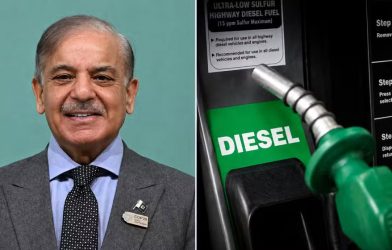
Diesel pricing received separate consideration within this broader framework. The committee approved specific intervention principles for emergency situations. This framework will include defined triggers identifying major price shocks. Additionally, specific response measures will address these triggered emergencies. Therefore, diesel maintains distinct regulatory approaches compared to petrol deregulation.
Technical methodology changes also received committee approval recently. The Inland Freight Equalization Margin calculation methodology will change specifically. OGRA confirmed the fiscal year 2026 IFEM audit completion timeline. This audit should conclude by end of 2026 specifically. Additionally, OGRA received directions submitting recommendations regarding OMC consolidation. Current oil marketing company performance also requires comprehensive evaluation.
The committee explored international examples informing stabilization fund proposals. Various countries maintain petroleum price stabilization mechanisms successfully. However, Pakistan’s committee noted alternative approaches might prove more suitable. Specifically, maintaining adequate fuel reserves could work better post-deregulation. Therefore, reserve-based approaches may replace traditional stabilization fund models.
Taxation framework evaluation will occur through dedicated subcommittee work. This subcommittee will meet specifically with FBR’s chairman directly. Together, they’ll examine whether taxation structures need modification. Evolving market conditions necessitate this careful taxation review. Therefore, comprehensive policy alignment across multiple regulatory dimensions continues developing.
This comprehensive reform initiative reflects Pakistan’s broader economic modernization goals. Market-based pricing typically improves resource allocation efficiency significantly. Additionally, transparent pricing mechanisms build greater public trust. Furthermore, competitive markets often drive innovation and service improvement. Therefore, petrol price deregulation Pakistan represents fundamental structural economic transformation.
The gradual implementation timeline allows stakeholders adequate adaptation time. Oil marketing companies must prepare for competitive market conditions. Additionally, consumers need time understanding new pricing dynamics. Furthermore, regulatory bodies require preparation ensuring smooth transition processes. Finally, petrol price deregulation Pakistan by 2027 represents a significant milestone in the country’s ongoing efforts toward modernizing its energy sector and creating more efficient, market-responsive fuel pricing mechanisms.