Diplomatic tensions escalated between Pakistan and India this week. Pakistan firmly rejected allegations regarding temple damage in Narowal specifically. Therefore, Pakistan rejects India temple claims characterizing them as false and politically motivated. This rebuttal followed India’s expressed “deep concern” regarding the historic Hindu temple. The temple sits specifically in Adda Siraj, within Punjab’s Narowal district.
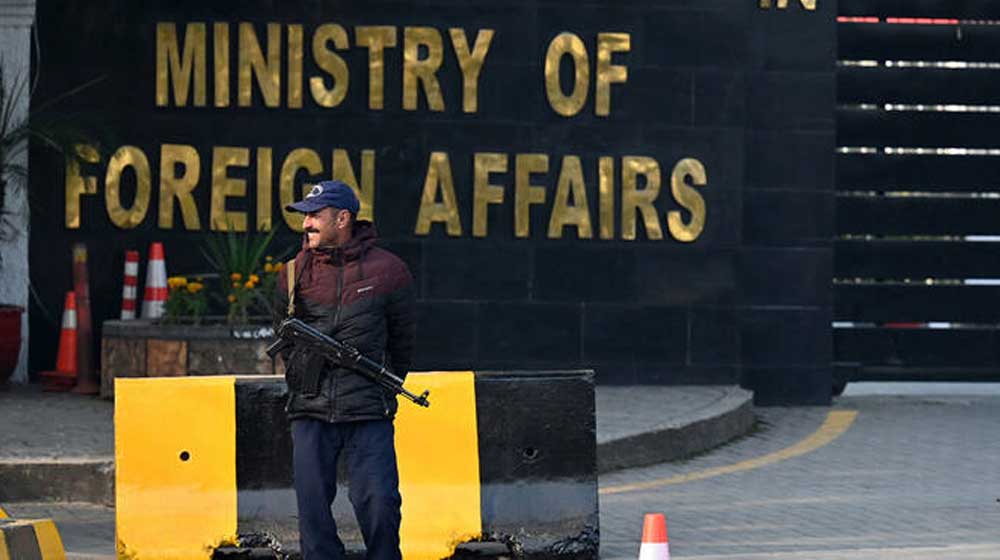
Foreign Office Spokesperson Sajjad Haider Khan addressed these allegations directly and firmly. “We categorically reject the false and politically motivated assertions made by the Indian Ministry of External Affairs regarding the Hindu temple at Adda Siraj, Narowal,” Khan stated clearly. Additionally, he provided the actual explanation for this temple damage specifically. The structure suffered damage from torrential rains on July 21 directly. Therefore, natural weather events caused this damage rather than deliberate destruction.
Khan detailed Pakistan’s response addressing this rain damage comprehensively. Local authorities already conducted surveys assessing the damage extent. Additionally, restoration steps have already begun for the building specifically. Khan characterized India’s version as “shameful” distortion of established facts. Furthermore, he described these claims as “cheap gimmicks” lacking factual basis.
The spokesperson expanded his response addressing broader concerns regarding India’s minority treatment. He argued that distorting facts cannot distract from India’s own troubling record. Specifically, systematic persecution of minorities within India deserves serious international attention. Additionally, state-sponsored attacks against minority places of worship continue occurring regularly. Therefore, Khan redirected criticism toward India’s documented human rights concerns.
Khan specifically referenced “Hindutva ideology” as weaponized against minority communities. He called for international accountability regarding Indian leadership specifically. This accountability should address persecution facing Muslim, Sikh and Christian communities within India. Therefore, Pakistan’s response extended beyond this single incident toward broader systemic criticism.
International organizations have documented concerning patterns regarding Indian minority treatment. United Nations bodies and human rights groups confirm rising abuse specifically. Multiple concerning trends have emerged in recent years comprehensively. Hate speech has increased substantially across various platforms. Additionally, religion-based citizenship legislation raises serious discrimination concerns. Furthermore, authorities have demolished Muslim-owned properties in various incidents. The removal of Jammu and Kashmir’s autonomy also represents documented concern. Anti-conversion legislation additionally challenges fundamental freedom of belief principles.
This temple dispute occurs within broader Hindutva movement context specifically. Campaigns increasingly target medieval mosques and Islamic-era monuments throughout India. Activists claim these structures were built over pre-existing Hindu temples historically. Therefore, this movement has gained significant momentum since 2014. Prime Minister Narendra Modi’s rise to power coincided with this intensification specifically.
Recent specific incidents further illustrate these ongoing tensions clearly. Indian authorities imposed cattle slaughter bans ahead of Eid ul Adha in May. This restriction covered cows, calves and camels specifically. Additionally, Uttar Pradesh Chief Minister Yogi Adityanath issued additional religious restrictions. He mandated Eid prayers occur only at traditional designated locations. Furthermore, he explicitly prohibited street prayer permissions under any circumstances whatsoever.
Therefore, Pakistan rejects India temple claims within this broader context of documented religious tension. This single temple incident reflects larger patterns of diplomatic friction between both nations. Finally, this dispute demonstrates how religious and political sensitivities continue complicating Pakistan-India relations, with both countries frequently exchanging allegations regarding minority treatment and religious site protection.