
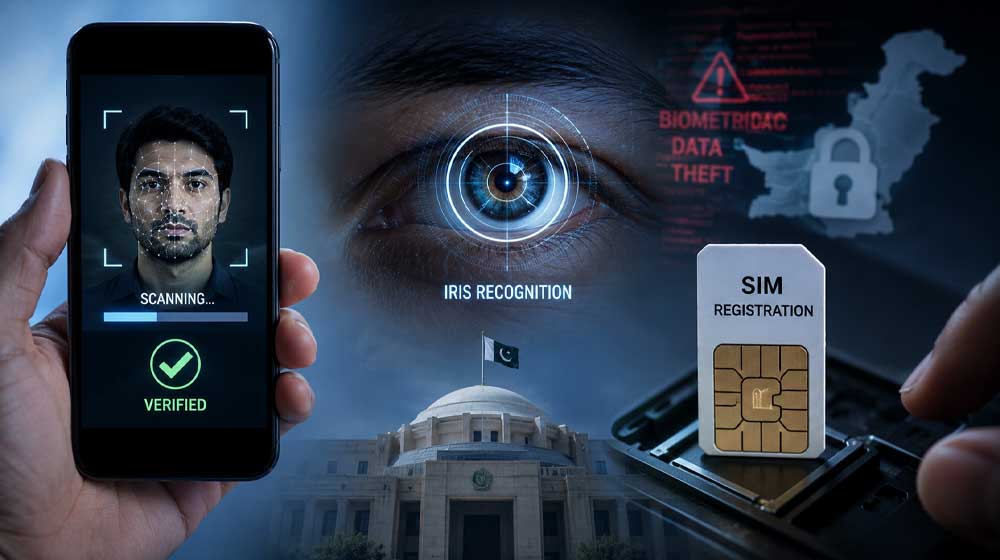
Pakistan’s telecommunications security faces urgent reform consideration currently. Authorities are exploring advanced facial and iris recognition technology specifically. Therefore, face IRIS scans SIM issuance could replace vulnerable fingerprint systems entirely. This shift addresses growing concerns regarding existing biometric verification weaknesses. Minister of State Tallal Chaudhry addressed these concerns directly with National Assembly committee. He acknowledged current fingerprint systems remain outdated and vulnerable specifically.
Despite significant enforcement efforts, fraud prevention remains genuinely challenging currently. Authorities blocked 18.2 million illegal SIM cards over recent years. This substantial crackdown occurred across approximately two and a half years. However, Chaudhry confirmed this system failed preventing identity and financial fraud completely. Therefore, more advanced solutions like face IRIS scans SIM verification became necessary.
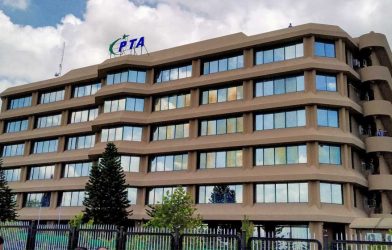
PTA Chairman retired Major General Hafeezur Rehman revealed alarming security vulnerabilities specifically. Scammers reportedly obtain fingerprints through multiple compromised channels currently. Airports, driving license centers and passport offices represent vulnerable collection points. Additionally, NADRA itself may face potential compromise possibilities. Rehman confirmed the biometric system faces active bypass attempts regularly.
NCCIA Director Irfanullah Khan provided additional troubling details regarding criminal exploitation. Criminals actively exploit existing system gaps systematically. The agency seized 195 active SIM cards used by scammers specifically. Additionally, 81 ATM cards connected to fraudulent activities were confiscated. Furthermore, comprehensive enforcement operations yielded significant results recently. NCCIA and PTA conducted raids across 110 different facilities. These operations blocked 29,000 illegal SIM cards successfully. Additionally, 171 suspects faced arrest during these coordinated operations. Data belonging to 600,000 individuals was also recovered during investigations.
Chaudhry raised additional concerns regarding money laundering schemes specifically. Criminals increasingly utilize rented or mule bank accounts laundering scam proceeds. Therefore, comprehensive reform must address multiple interconnected vulnerabilities simultaneously. He called for telecom companies strengthening security systems collaboratively. This cooperation should occur specifically alongside PTA coordination efforts.
Multiple stakeholders proposed specific technical solutions addressing these vulnerabilities. PTA’s chief suggested issuing SIMs exclusively through NADRA’s PAKID system specifically. This would create more secure verification processes potentially. Additionally, an SBP official proposed linking SIMs to single IMEI numbers. This technical measure could prevent certain fraud patterns effectively.
MNA Khawaja Izharul Hassan offered additional protective suggestions specifically. He proposed automatic SMS alerts for multiple SIM issuances. These alerts would trigger whenever citizens’ CNICs show multiple SIM registrations. Therefore, citizens could quickly identify unauthorized SIM issuance attempts.
The parliamentary committee issued specific directives addressing this comprehensive challenge. Interior Ministry received instructions coordinating multiple relevant agencies. SBP, PTA, NCCIA and telecom operators must collaborate developing solutions. This collaboration should produce legislative, regulatory and technical measures specifically. Finally, face IRIS scans SIM technology represents just one component within a broader strategy addressing Pakistan’s evolving cybersecurity challenges and protecting citizens from sophisticated fraud schemes targeting compromised biometric data.