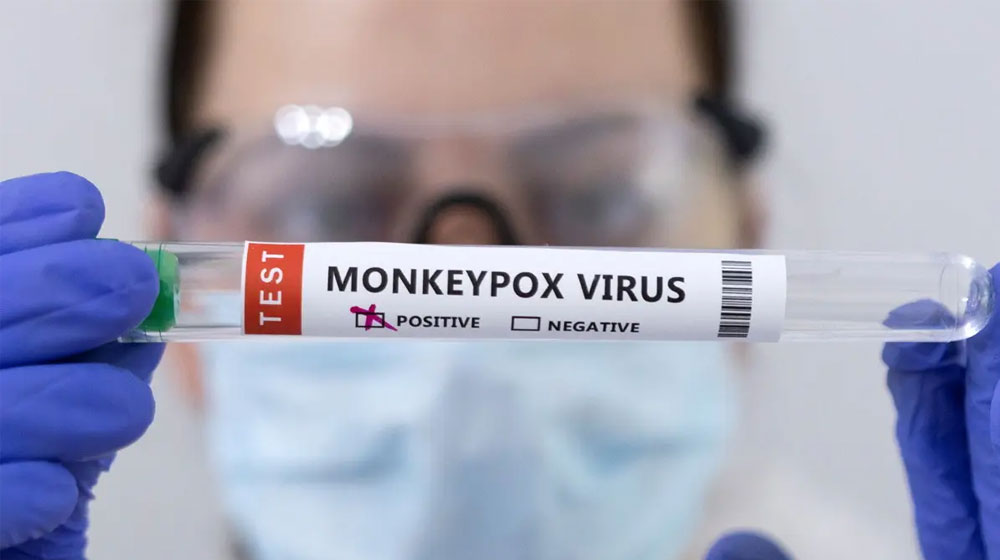
Sindh’s health authorities confirmed additional viral infections this week. Three new Monkeypox cases emerged bringing the provincial total significantly higher. Therefore, Sindh Monkeypox cases now total 40 confirmed infections across the province. Karachi specifically accounts for 13 cases within this overall total. PCR testing at Sindh Infectious Diseases Hospital confirmed these latest infections definitively. Additionally, one suspected patient awaits test results currently.
Understanding these specific new cases provides important context clearly. Two confirmed patients share a family relationship specifically. A father and daughter from interior Sindh both tested positive. Meanwhile, the third confirmed patient represents a different demographic entirely. This 46-year-old citizen resides in Karachi’s Federal B Area specifically. Therefore, these cases span both family transmission and individual infection patterns.
Additional clarity awaits pending laboratory results specifically. The suspected patient’s situation remains unclear currently. Once test results arrive, health officials can better understand transmission patterns. Therefore, the overall Sindh Monkeypox cases count could increase further depending on these results.
Understanding Monkeypox itself helps contextualize this public health situation. This viral disease belongs to the same family as smallpox virus specifically. Common symptoms include several recognizable indicators clearly. Fever represents an initial common symptom experienced by patients. Additionally, headache and body aches frequently accompany infection. Fatigue also commonly affects infected individuals substantially. Furthermore, rash development represents a hallmark symptom specifically. Painful or itchy lesions also characterize this viral infection.
Some patients experience additional symptomatic manifestations beyond these primary indicators. Swollen lymph nodes may develop in specific body regions. The neck, armpits or groin areas commonly show this swelling. Additionally, rash locations vary considerably across affected individuals. The face, hands, feet, mouth and throat can all develop characteristic lesions.
Symptom presentation timing varies significantly between different patients. Some individuals may not develop noticeable symptoms before lesions appear specifically. This asymptomatic period before visible signs complicates early detection efforts. Additionally, symptom development can take considerable time following viral exposure. Up to 21 days may pass before symptoms manifest visibly.
This extended incubation period creates specific public health challenges. Infected individuals may unknowingly transmit the virus during this asymptomatic window. Therefore, contact tracing becomes particularly important managing potential spread. Additionally, awareness campaigns help communities recognize early warning signs effectively.
The rising Sindh Monkeypox cases count warrants continued public health vigilance. Health authorities must maintain robust surveillance systems tracking new infections. Additionally, rapid testing capabilities prove essential for timely case identification. Furthermore, public awareness regarding symptoms enables earlier medical consultation. Therefore, comprehensive public health response remains critical addressing this evolving situation.
Continued monitoring will determine whether this represents isolated cases or broader transmission patterns. Health officials will likely conduct additional investigation regarding exposure sources. Finally, Sindh Monkeypox cases developments require ongoing public health attention ensuring appropriate response measures protect community health while preventing further viral spread throughout the province.