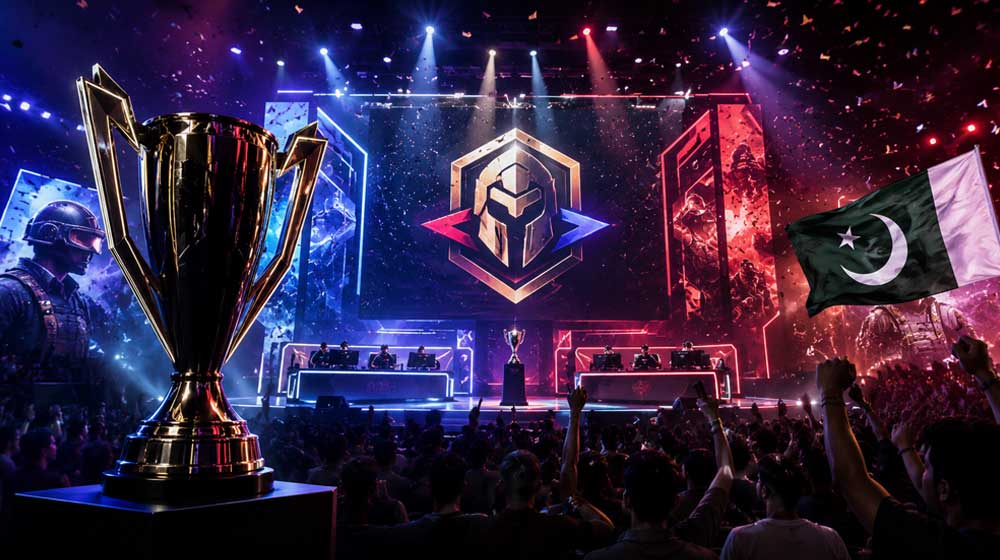
Pakistan’s gaming community just witnessed a historic milestone. The Sindh Esports Championship 2026 launched officially bringing unprecedented scale to competitive gaming. Therefore, more than 1,500 gamers will compete throughout this month-long tournament specifically. A substantial Rs. 3 million prize pool awaits winning competitors. This represents the largest government-level esports championship in Pakistan’s history.
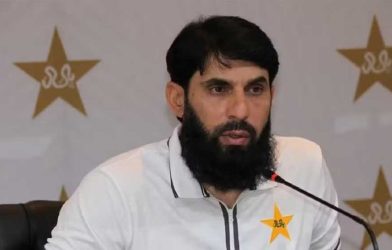
Sindh Local Government Minister Syed Nasir Hussain Shah addressed the inaugural ceremony directly. He emphasized the provincial government’s broader sporting commitment clearly. “The Government of Sindh is committed to every sport,” Shah stated confidently. Additionally, he highlighted substantial infrastructure investments across the province. “We have built world class sports infrastructure across Sindh,” he added specifically.
Shah referenced previous major sporting achievements demonstrating this commitment further. Sindh successfully hosted the 35th National Games after an 18-year gap specifically. This landmark event attracted more than 10,000 athletes from across Pakistan. Therefore, this esports championship extends Sindh’s established pattern of major sporting investment. The province clearly views gaming as legitimate competitive sport deserving comparable support.
This esports championship represents genuine innovation within Pakistan’s sporting landscape specifically. Traditional sports have historically dominated government sporting investment. However, competitive gaming increasingly attracts serious institutional attention globally. Therefore, Sindh’s substantial commitment signals recognition of this evolving sporting category. Young gamers now access institutional support comparable to traditional athletes.
The championship’s scale reflects serious organizational commitment throughout planning stages. Competition formats likely span multiple popular gaming titles reaching diverse player interests. Additionally, the month-long duration allows comprehensive tournament progression naturally. Qualifying rounds, regional competitions and championship finals typically structure such extensive events. Therefore, participants experience genuine competitive gaming infrastructure throughout this process.
Prize money distribution provides meaningful incentive for serious competitive participation. Rs. 3 million represents substantial recognition for gaming achievement specifically. This financial commitment validates esports as legitimate competitive pursuit deserving serious investment. Additionally, it potentially attracts talented gamers who previously lacked formal competitive outlets.
Shah’s broader comments regarding sporting infrastructure suggest expanding governmental sports strategy. World-class facilities across Sindh support diverse athletic development comprehensively. Furthermore, successfully hosting major events like the National Games demonstrates genuine organizational capability. Therefore, this esports championship benefits from established institutional expertise in large-scale event management.
This development also reflects broader recognition of gaming’s economic and cultural significance nationally. Esports increasingly generates substantial economic activity and employment opportunities globally. Additionally, competitive gaming attracts significant youth engagement and interest domestically. Therefore, government investment in this sector potentially yields both cultural and economic benefits.
The Sindh Esports Championship 2026 establishes an important precedent for provincial gaming support nationally. Other provinces may observe this initiative’s success evaluating similar investments themselves. Finally, this championship demonstrates Sindh’s continued commitment to comprehensive sporting development, extending institutional support beyond traditional athletics into Pakistan’s rapidly growing competitive gaming landscape.