
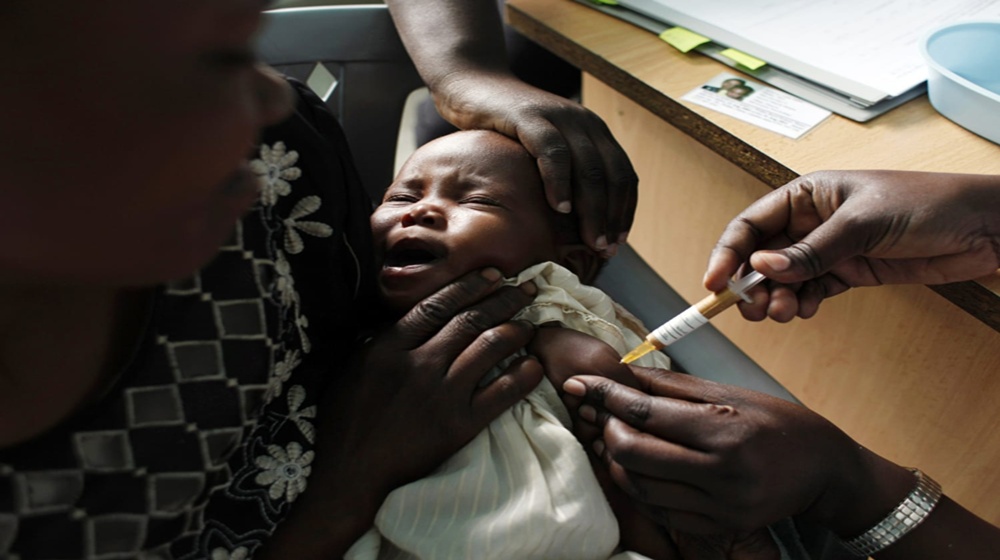
The WHO approves the first malaria treatment for newborns and infants, marking a major breakthrough in global health. The newly prequalified medicine targets babies weighing between two and five kilograms. This step ensures the treatment meets international standards for safety and effectiveness. Moreover, it opens the door for wider access in malaria-affected regions.
The treatment is a specially designed formulation of artemether-lumefantrine. It is the first antimalarial drug created specifically for this vulnerable age group. Previously, doctors used medicines designed for older children to treat infants. As a result, this often led to dosing risks and potential side effects.
Health experts say the new formulation will reduce these risks significantly. It provides more accurate dosing and safer treatment for newborns. Therefore, it addresses a long-standing gap in malaria care. This is especially important in regions where malaria remains widespread.
According to global estimates, around 30 million babies are born each year in areas heavily affected by malaria. This highlights the urgent need for age-appropriate treatments. Consequently, the new drug could benefit millions of infants worldwide. It also strengthens efforts to reduce child mortality linked to the disease.
WHO Director-General Tedros Ghebreyesus said the fight against malaria is entering a new phase. He noted that new tools like vaccines, better diagnostics, and advanced mosquito nets are improving outcomes. However, challenges such as drug resistance and funding gaps still remain. Despite this, global efforts have already prevented billions of infections and saved millions of lives.
The WHO approves the first malaria treatment for newborns and infants as part of a broader push to end the disease. Experts say continued investment and global cooperation are essential for progress. Ultimately, this milestone brings hope for stronger protection of the most vulnerable populations.