

Hantavirus has returned to global headlines after a deadly outbreak linked to a cruise ship raised fresh concern about the virus. The recent cluster occurred aboard the MV Hondius, a Dutch flagged vessel carrying 147 passengers and crew. The WHO reported eight cases with three deaths, and five of those cases received laboratory confirmation as Hantavirus. Consequently, health experts have now explained Hantavirus to help the public understand this rare but dangerous pathogen.

What WHO Says
The WHO said Hantavirus usually spreads through contact with infected rodents or their urine, droppings, or saliva. Limited human to human transmission has occurred with the Andes virus, but this remains uncommon. WHO currently assesses the global risk from the cruise ship event as low.

What Exactly Is Hantavirus
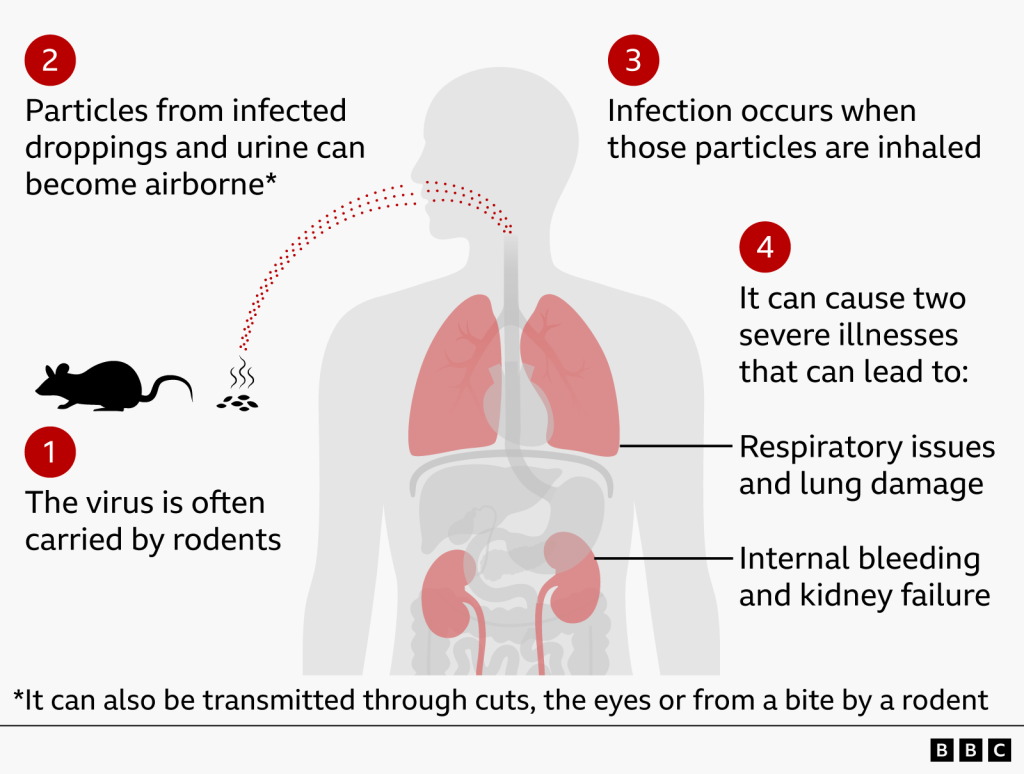
Hantaviruses are a group of viruses carried mainly by rodents. They can infect humans and cause serious disease, including severe lung, heart, kidney, and blood vessel complications. In the Americas, the virus causes Hantavirus Cardiopulmonary Syndrome which affects the lungs and heart. In Europe and Asia, it more commonly causes Hemorrhagic Fever with Renal Syndrome which affects the kidneys and blood vessels.
Where Did Hantavirus Originate
The name Hantavirus comes from the Hantaan River in Korea. The first recognized virus, Hantaan virus, affected thousands of soldiers during the Korean War. Scientists isolated the prototype virus in 1978. Over time, related viruses appeared across Asia, Europe, and the Americas, each linked to specific rodent hosts and geographic regions.
How Hantavirus Spreads
The main route of infection is exposure to infected rodents. People breathe in tiny virus particles from dried rodent urine, droppings, or saliva when contaminated dust becomes disturbed in enclosed spaces. High risk spaces include sheds, storage rooms, barns, and rodent infested homes. The virus can also enter through broken skin or the eyes, nose, and mouth.

What Are the Symptoms
Symptoms usually appear one to eight weeks after exposure. Early symptoms include fever, headache, muscle aches, chills, dizziness, fatigue, and gastrointestinal problems like nausea and vomiting. In Hantavirus pulmonary syndrome, the disease worsens suddenly. Patients develop cough, shortness of breath, chest tightness, and fluid buildup in the lungs. Severe cases can progress to shock and respiratory failure.
Mortality Rate of Hantavirus
The mortality rate depends on the virus strain and region. In the Americas, Hantavirus cardiopulmonary syndrome has a fatality rate of 20 to 50 percent. CDC says 38 percent of people who develop respiratory symptoms may die from the disease. For kidney related disease in Asia and Europe, the fatality rate ranges from less than 1 percent to 15 percent.
Is There Any Treatment
There is no licensed specific antiviral treatment or vaccine for Hantavirus. Treatment is mainly supportive. For severe pulmonary disease, patients need emergency ICU care including oxygen and mechanical ventilation. Early ECMO at specialized centers has shown an 80 percent survival rate in very severe cases. For kidney related disease, dialysis may help if kidneys fail.
How to Prevent Hantavirus
The best protection is reducing contact with rodents. Seal holes and gaps that allow rodents to enter homes. Store food securely and remove nesting sites. When cleaning contaminated areas, avoid dry sweeping or vacuuming. Dampen surfaces before cleaning and maintain good hand hygiene.
Hantavirus is rare but deadly. It does not spread like COVID 19. The WHO currently assesses the global public risk from the cruise ship cluster as low. The practical message is simple: avoid contact with rodents, clean contaminated areas safely, and seek urgent medical help if flu like symptoms appear after possible exposure and then worsen into breathing difficulty.