
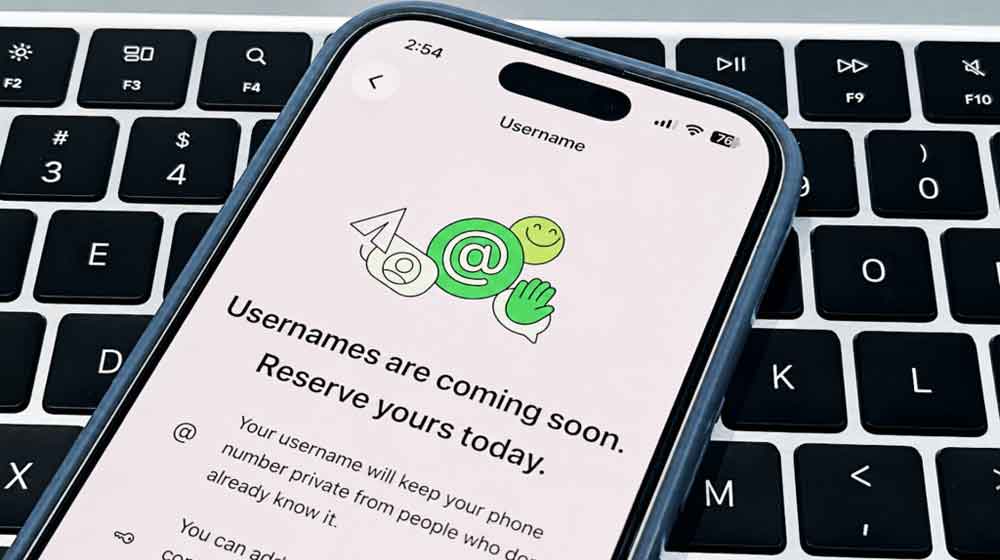
WhatsApp has started allowing users to reserve usernames before the feature becomes widely available later this year. However, the rollout is already raising concerns that scammers could exploit the system. Criminals could create fake usernames to impersonate public figures, banks, and government institutions. Therefore, WhatsApp username scams represent a genuine threat to users globally.
The feature will allow users to find and message other people through usernames instead of sharing phone numbers. Meta says this will improve privacy for users. However, security experts and Indian regulators warn that it could also create new opportunities for fraud. India is WhatsApp’s largest market, with more than 500 million users.
Fake Profile Problem
The introduction of usernames fundamentally changes how WhatsApp users identify and contact one another. Phone numbers have traditionally served as the main identifier on the platform. Under the new system, users will increasingly communicate through usernames that WhatsApp manages.
During early testing, TechCrunch found that several usernames resembling the names of Indian politicians were available to reserve. The examples included “indiamodi,” referring to Indian Prime Minister Narendra Modi. Additionally, “shahrukh.actor” referenced Shah Rukh Khan, and “teamamitabh” resembled actor Amitabh Bachchan’s name. So celebrity impersonation appears straightforward.
Other available handles included “ambanijio,” which resembled billionaire Mukesh Ambani’s telecom company Jio, and “rbi_verify,” which appeared similar to the Reserve Bank of India. Therefore, WhatsApp username scams could target both individuals and institutions. Binance founder Changpeng Zhao also said on X that he could not reserve “cz_binance,” despite already using that username on the social media platform.
The ease of reserving misleading usernames demonstrates the vulnerability of the system. Scammers can quickly claim handles that resemble legitimate organizations or celebrities. Once claimed, these fake accounts could send fraudulent messages to unsuspecting users. Furthermore, without proper verification mechanisms, victims may struggle to distinguish authentic accounts from imposters.
Banks and government agencies face particular risks from WhatsApp username scams. Fraudsters could impersonate financial institutions to conduct phishing attacks. Moreover, they could trick users into revealing sensitive information. So regulatory bodies should mandate verification badges for official accounts before the feature launches widely.