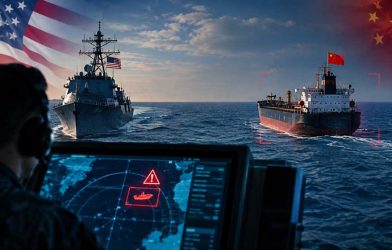

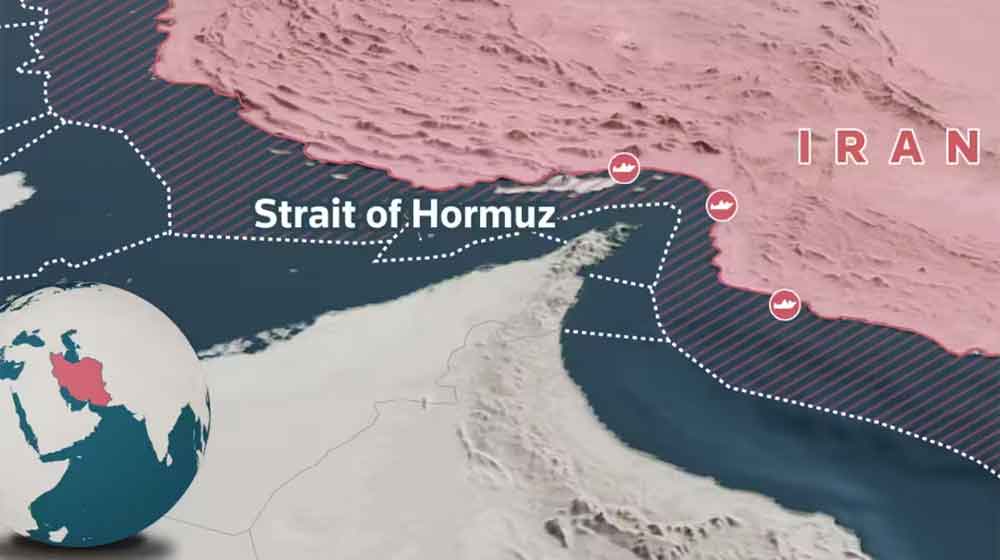
The United Nations Security Council has postponed a critical vote scheduled for Friday regarding the use of defensive force. This measure aims to protect international shipping within the Strait of Hormuz from ongoing regional attacks. Originally, the 15-member body planned to vote on a draft resolution introduced by Bahrain. However, diplomatic sources confirmed a shift in the schedule late Thursday evening. Officials cited the observance of Good Friday as the reason for this sudden delay. No specific new date has been set for the council to reconvene on this matter.
The situation remains dire as Iran maintains a tight grip on this vital shipping lane. These actions serve as retaliation for recent military strikes that triggered a month-old conflict in the Middle East. Bahrain’s ambassador, Jamal Alrowaiei, emphasized that the world cannot accept economic terrorism affecting global trade. Currently, the near-total closure of the waterway is roiling the global economy. It has led to sharp price increases for oil, liquefied natural gas, and essential fertilizers.
Global Impact of the Blockade in the Strait of Hormuz
The final draft of the resolution allows member states to use all necessary defensive means to secure transit. This authority would apply to the Strait of Hormuz and its adjacent waters for at least six months. The United States supports the text, but President Donald Trump recently suggested countries should secure their own oil. Meanwhile, Russia and China hold veto powers and remain highly skeptical of the proposal. They argue that authorizing force could lead to further escalation rather than a political solution.
France has expressed concerns about the realism of a large-scale military operation in the area. However, the revised wording now emphasizes the defensive nature of any intervention to alleviate these worries. Security Council mandates that authorize the use of force are historically rare. Similar actions only occurred during the Gulf War in 1990 and the Libya intervention in 2011. Analysts suggest the current text faces tall odds due to the complex geopolitical interests involved. The world continues to watch closely as energy supplies remain under significant threat.