A new home battery for electricity bills stores cheap off-peak power and releases it during expensive peak hours — no solar panels needed
Solar panels are not an option for everyone. Renters, apartment residents, and families who cannot afford a full solar setup still face rising electricity bills every month. A new type of home battery system could offer a practical alternative — without panels, without rooftop access, and without major installation work.
Windfall Battery
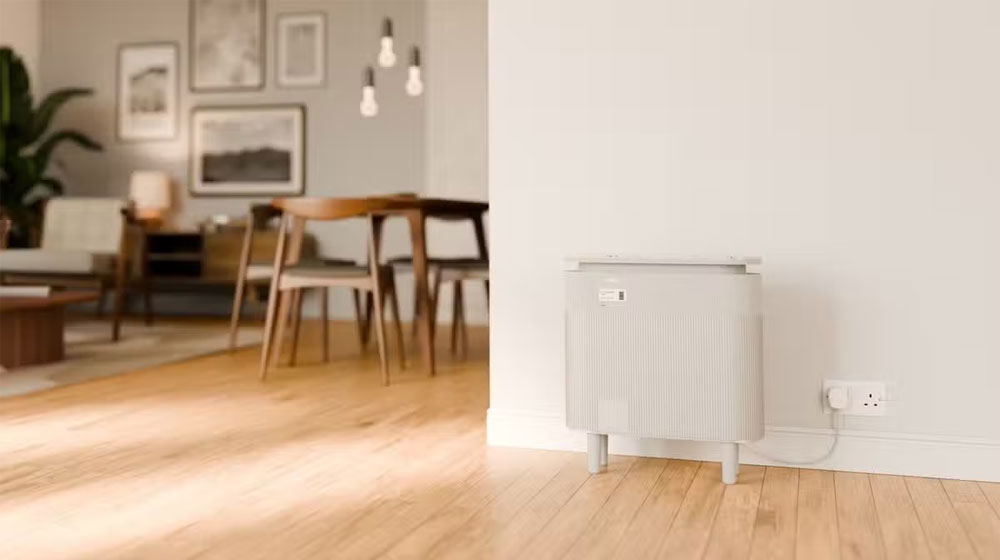
The Windfall Battery is a plug-and-play home battery designed specifically for renters and apartment users. It does not depend on solar panels. Instead, it charges from the grid during cheaper off-peak hours. It then releases that stored power back into the home during expensive peak hours. The device plugs into a standard wall socket. An app controls when energy is stored and when it is released.
Why This Matters for Pakistan
Many Pakistani households face high electricity bills but cannot install solar panels. Apartment residents often lack access to a private rooftop. Additionally, renters typically avoid permanent installations because they do not own the property. For such users, a compact battery that stores cheaper electricity for later use could offer a simpler way to manage power costs without any structural changes to the home.
How It Could Lower Bills
The core idea is straightforward. The home battery for electricity bills charges during off-peak hours and powers household use during peak hours. This shifts part of electricity consumption away from expensive billing periods. It would not replace a full solar system. However, it could meaningfully reduce dependence on peak-hour grid electricity for many users.
Built for Flats and Renters
Rob Hallifax, co-founder of Windfall Energy, noted that most home energy storage products still target houses and homeowners. That gap inspired a smaller and more accessible battery for people living in flats or rented accommodation. The Windfall Battery specifically serves users who have no access to solar panels or permanent installation options.
Size and Setup
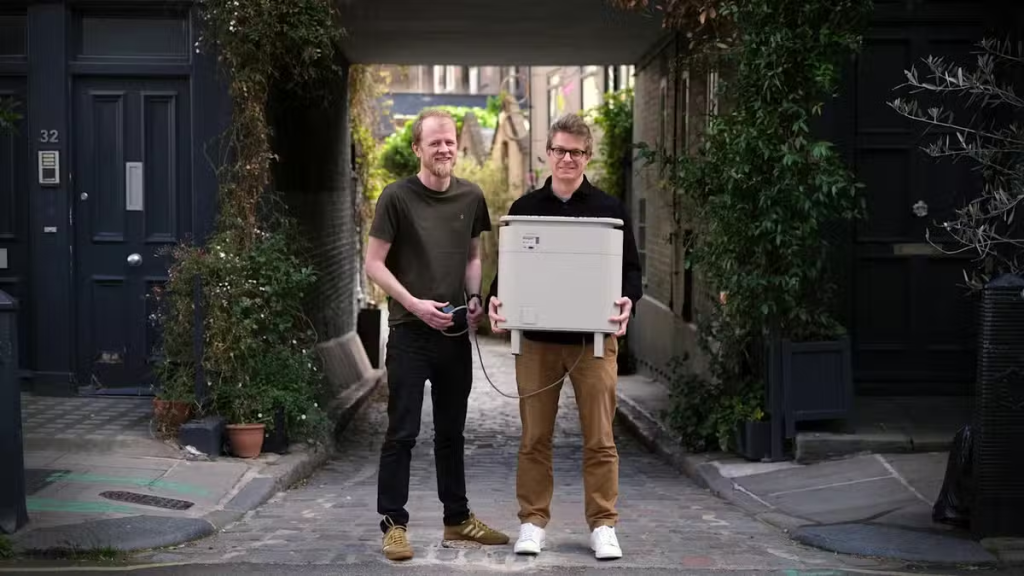
The unit stands 54cm tall and 48cm wide. It weighs under 30kg. Furthermore, it connects to home Wi-Fi to monitor energy prices and automatically decide the best charging times. Bluetooth handles quick initial setup through a phone. The battery also includes a USB-C port for charging smaller devices directly.
Furniture-Like Design
Windfall designed the battery to look less like a technical appliance and more like a piece of furniture. Hallifax said the goal was a product users would not mind keeping visible in a living space. The design involved a designer with experience at IKEA and Joseph Joseph, resulting in a clean and minimalist look.
Regulation Still Evolving
Plug-in energy storage products are not yet fully regulated in the UK. Current wiring rules technically require hardwiring by an electrician for similar devices. However, the situation may change soon. Hallifax said the government is actively studying plug-and-play energy systems as part of broader carbon reduction work. Additionally, discussions with groups like the Microgeneration Certification Scheme aim to simplify access. Hallifax suggested the rules could shift within the next year.
Pakistan’s Use Still Depends on Availability
For Pakistan, the concept is promising. Still, local availability, pricing, safety approvals, and tariff compatibility all need to align before such products become viable here. If they do arrive at an affordable price, renters and apartment residents could finally gain a practical way to cut peak-hour electricity costs. For now, the Windfall Battery is available on pre-order. The first batch has sold out, and the next batch is not yet finalized. Interested buyers can join the waitlist through the company’s website.