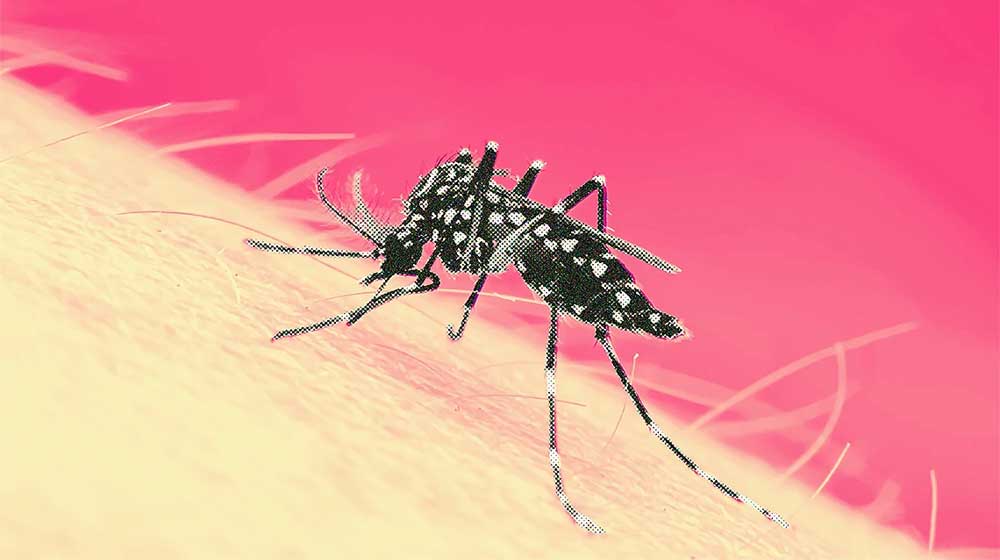
Rawalpindi faces a serious health emergency. The District Health Authority warns of imminent Rawalpindi dengue outbreak risk throughout the city. Surveillance teams continue discovering alarming quantities of dengue mosquito larvae. Therefore, a Rawalpindi dengue outbreak appears increasingly likely in coming days. Data collected showed that 141 of 189 union councils exceeded safe dengue indices. Moreover, the situation has deteriorated significantly over just two months. The Breteau Index measures dengue mosquito presence by household percentage. Additionally, officials recorded larvae in over 74,000 houses and 13,000 other locations.
The Breteau Index distribution reveals troubling patterns throughout Rawalpindi. Seventy-nine union councils recorded indices between three and seven indicating moderate infestation. Meanwhile, 34 union councils reached indices between seven and ten showing higher concentrations. Furthermore, 28 union councils recorded indices above 10 representing severe infestations. Finally, only 48 union councils maintained indices below three representing acceptable levels. This dramatic shift occurred in just eight weeks timeframe.
Historical comparison demonstrates deterioration speed. On June 19, only 56 union councils recorded indices between three and seven. However, by August, that number jumped to 79 councils. Meanwhile, union councils with indices between seven and ten increased from four to 34. Additionally, areas recording indices above 10 surged from three to 28. Therefore, the mosquito population has exploded exponentially. This acceleration signals serious outbreak potential.
Authorities confirmed dengue infection in six Rawalpindi residents. However, health experts stress that confirmed cases typically follow mosquito population spikes. Therefore, the current larval discovery rates predict higher infection numbers shortly. The rainy season amplifies mosquito breeding opportunities substantially. Additionally, water accumulation supports rapid larval development. Furthermore, humidity increases mosquito activity and survival rates. Meanwhile, monsoon patterns create ideal breeding conditions nationwide.
Rapid outbreak response becomes essential immediately. District authorities must intensify surveillance operations throughout affected areas. Additionally, they should launch aggressive larval elimination campaigns. Furthermore, public awareness campaigns should educate residents about dengue prevention. Still, authorities appear understaffed for the challenge magnitude. Meanwhile, community participation remains critical for outbreak containment.
Residents face significant personal responsibility. Households must eliminate standing water sources immediately. Additionally, they should use protective measures like bed nets and repellents. Furthermore, residents should report suspected dengue cases promptly. However, government support remains essential for comprehensive vector control. Finally, the Rawalpindi dengue outbreak requires immediate coordinated action preventing mass infection spread.