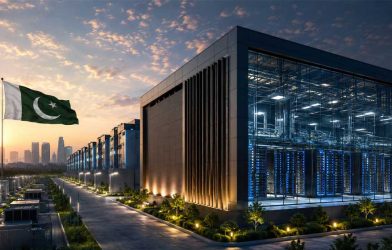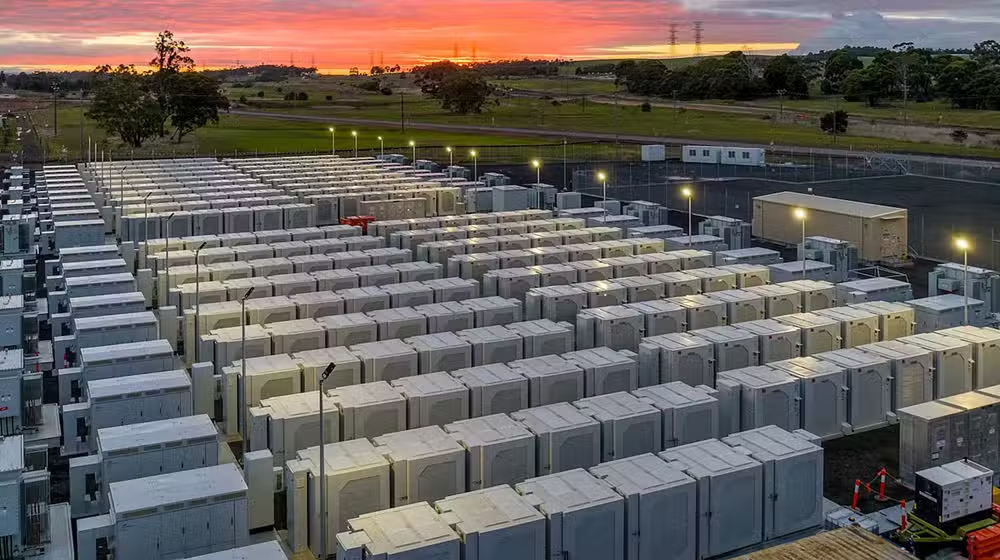
A global surge in large-scale battery projects is set to reshape power systems in 2026. Installations are planned across Texas, Inner Mongolia, and New South Wales. Falling costs, rising electricity demand, and geopolitical tensions drive this rapid growth. According to BloombergNEF, global battery installations will rise by about one-third this year. This means batteries replace coal and gas as the go-to solution for grid stability. Strong expansion continues across Europe, the Middle East, Africa, and Latin America.
Battery costs have dropped around 75 percent since 2018. They will fall further in the coming years. Electricity demand is increasing, especially from data centers. Battery storage allows operators to store cheap electricity during peak solar or wind generation. They can then supply it when demand runs high. This reduces reliance on coal and gas while improving grid stability. Large-scale projects are already coming online. In Inner Mongolia, multiple battery sites with a combined capacity of 7.4 gigawatt-hours have activated. In Australia, the Waratah Super Battery already supplies more power during peak demand than gas-fired plants.
China plays a central role in this expansion. The country accounts for most global battery production and a large share of installations. Oversupply from its manufacturing sector has pushed prices down worldwide. In the United States, data centers are turning to renewable energy combined with battery storage. Batteries will make up more than a quarter of new power capacity added in the country in 2026. Europe is also seeing rapid growth as renewable energy creates challenges for existing grids. As batteries replace coal and gas, new technologies like long-duration storage are emerging.
Challenges remain despite strong momentum. Grid connection delays, regulatory hurdles, and high financing costs can slow development. But the direction is clear. Fossil fuels are exiting. Batteries are entering.