
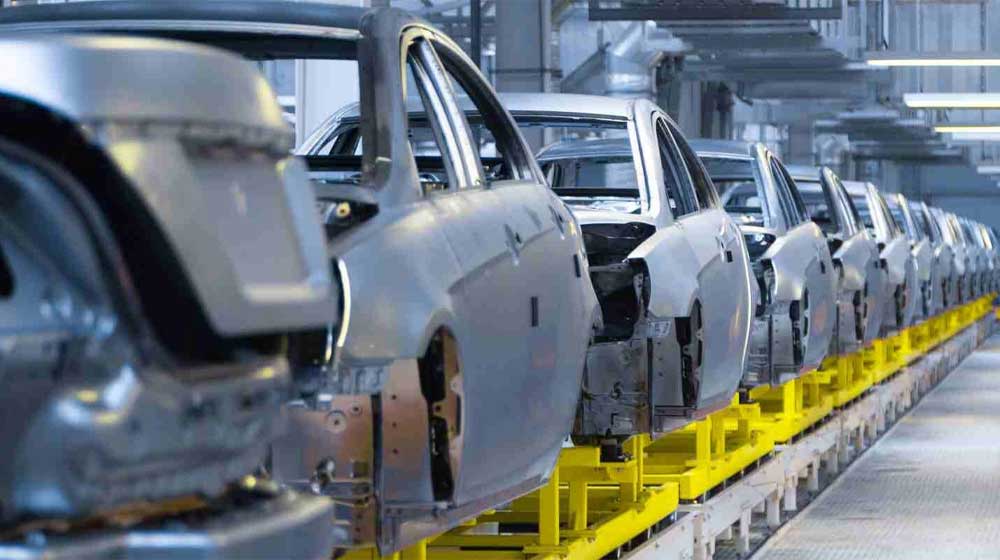
The automotive sector in Pakistan presents a complex paradox: while the number of Original Equipment Manufacturers (OEMs) has grown to 17, the industry operates significantly below its installed capacity. Despite a recovery in sales following the 2023 slump, the 148,023 units sold in FY25 remain far cry from the national production potential of 418,000 vehicles. This underutilization prevents new entrants from achieving essential economies of scale, leaving the industry to contribute just under 3% to the national GDP while supporting over two million direct and indirect jobs.
Historically, the industry has transitioned from simple assembly in the 1940s to a more localized ecosystem, spurred by the 1980s partnerships between local firms and Japanese giants like Suzuki, Honda, and Toyota. These collaborations laid the groundwork for a vendor support network and were reinforced by a series of policies, including the 1987 Deletion Policy and the 2016 Automotive Development Policy. However, the journey toward deep localization remains incomplete. While some models boast 50% to 70% local parts, high-value components such as engines, transmissions, and hybrid systems are still largely imported, leaving the sector vulnerable to macroeconomic instability and currency fluctuations.
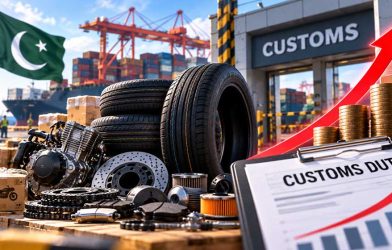
The industry currently grapples with an inconsistent policy vision characterized by ad hoc measures and shifting import regulations. A significant turning point arrived in 2025 when the government, as part of an IMF agreement, allowed the commercial import of used cars up to five years old with a 40% regulatory duty. The plan envisions a progressive 10% annual reduction in these tariffs until they reach parity by 2030. While this move aims to increase consumer choice, local manufacturers argue it erodes the progress of domestic indigenization. This tension is heightened by the fact that cars remain a luxury for the vast majority; with a per capita income of approximately $1,700 and taxes on vehicles reaching as high as 58%, Pakistan has one of the lowest car ownership rates in the region at just 11 per 1,000 residents.
Looking forward, the industry faces the dual challenge of improving domestic affordability and breaking into export markets. Currently, there is a lack of government-backed export rebates or financing schemes necessary to compete globally. Without a stable macroeconomic environment and a consistent long-term policy that prioritizes technological transfer over short-term tax revenue from imports, the goal of a competitive, export-oriented automotive sector may remain out of reach. For now, manufacturers continue to vie for a limited market share while navigating a landscape of shifting duties and underutilized industrial heft.