

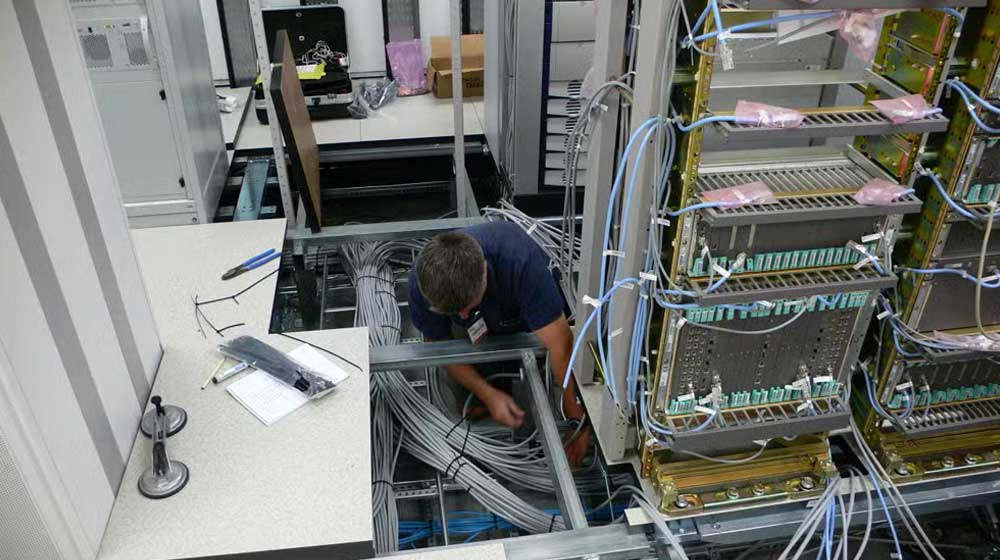
The Pakistan Telecommunication Authority can now conduct telecom equipment inspections without prior notice. This power comes under the newly notified Telecommunication Equipment Standards Regulations, 2024. A PTA-authorized officer can visit the premises of licensees, manufacturers, and importers under these rules. The goal is to check whether telecom equipment meets required technical, safety, and performance standards.
These inspection powers apply broadly. They cover equipment imported, manufactured, or assembled anywhere in Pakistan. During a visit, an authorized officer can examine the equipment directly at the site. Additionally, the officer can request relevant records and documents from the company involved.
The regulations also place clear obligations on businesses. Licensees, manufacturers, and importers must cooperate fully during PTA inspections. They must also provide any information the authority requests. Furthermore, companies must maintain updated equipment records for at least three years. These records must stay available whenever PTA needs them for inspection or compliance checks.
The scope of covered equipment is fairly wide. It includes mobile devices, base stations, wireless systems, and satellite communication equipment. Optical equipment and other telecommunications infrastructure also fall under this framework. Therefore, most major categories of telecom hardware operating in the country will now face closer scrutiny.
PTA notified the rules through SRO 1110(I)/2026, issued under Section 28 of the Pakistan Telecommunication Reorganization Act, 1996. This legal basis gives PTA formal authority to enforce the new inspection regime. Ultimately, these telecom equipment inspections form part of a broader push to ensure devices operating in Pakistan meet proper technical and safety benchmarks.
Companies operating in this space will now need to keep more thorough records and stay prepared for unannounced visits. The move signals PTA’s intent to tighten oversight across the telecom hardware supply chain, from import to assembly.