

The Indus Waters Treaty ruling from The Hague reaffirms Pakistan’s water rights as India dismisses the court’s authority entirely
Pakistan has secured a significant legal victory at the world’s highest arbitration forum. The Permanent Court of Arbitration in The Hague has reaffirmed that the Indus Waters Treaty remains fully in force and cannot be suspended or terminated by either country acting alone. The Indus Waters Treaty ruling upholds the tribunal’s earlier findings and confirms that the legal framework governing the Indus river system continues to bind both Pakistan and India. Moreover, the decision strikes at the heart of India’s attempt to put the treaty in abeyance.
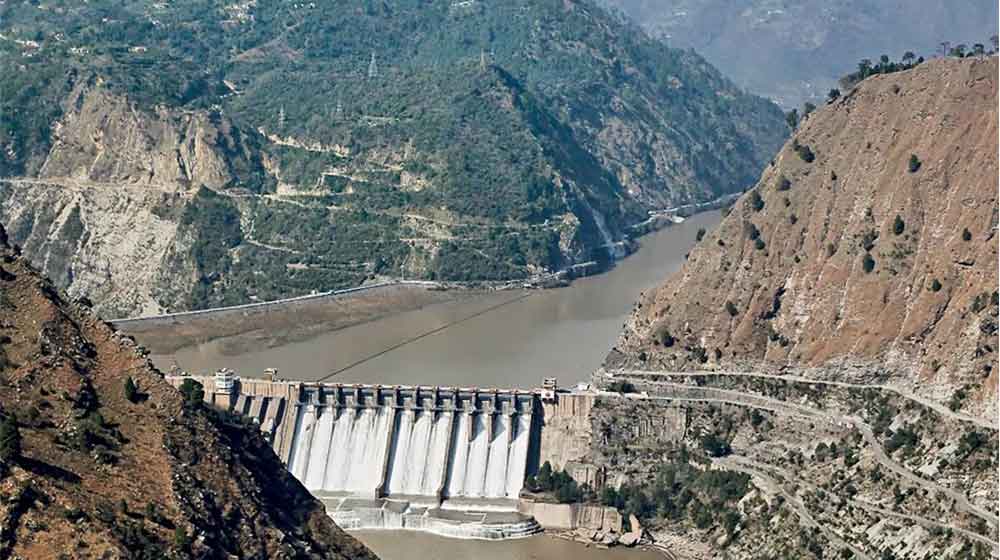
The case centres on Pakistan’s longstanding objections to India’s hydroelectric projects on western rivers allocated to Pakistan under the treaty. Islamabad argues that India’s run-of-river schemes could reduce downstream water flows and damage Pakistan’s agriculture. An earlier PCA award issued in August 2025 had already sided with Pakistan on key interpretive questions. The court held that India must allow western river waters to pass to Pakistan for unrestricted use. Furthermore, it ruled that any exceptions for power generation must strictly follow the treaty’s technical conditions rather than India’s preferred design standards.
India, however, is not backing down. New Delhi’s Ministry of External Affairs dismissed the PCA as an illegally constituted body, declaring its awards null and void. India’s stance of holding the treaty in abeyance, officials confirmed, remains unchanged. Therefore, despite losing the legal argument, India shows no sign of compliance.
Pakistani commentators have condemned India’s response sharply. Former ambassador Manzoorul Haq called India’s rejection of the court’s authority a serious affront to international law. He noted that India had already ignored UN Security Council resolutions on Kashmir and was now defying a binding arbitration ruling. Furthermore, he warned that India’s conduct undermines not only the treaty framework but also the World Bank’s role as its guarantor.
Haq also raised the stakes considerably. He argued that any water-related confrontation between two nuclear-armed neighbours carries consequences far beyond the region. Still, for now, Pakistan holds the stronger legal ground. Finally, whether that translates into actual water security depends on whether the international community holds India accountable.