

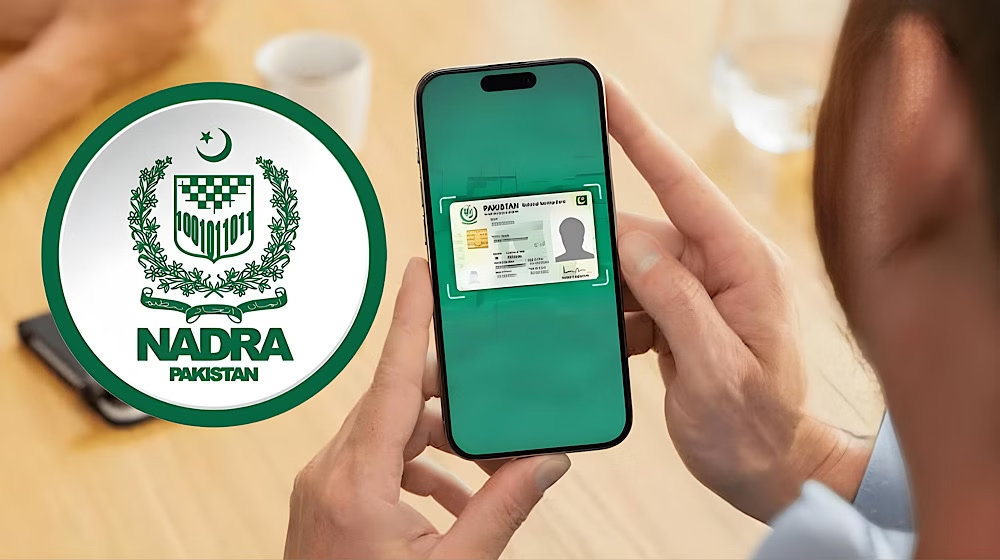
NADRA CNIC new rules remove the signature requirement for first-time applicants in a move aimed at simplifying the identity card process
NADRA has quietly made a meaningful change to how Pakistanis apply for their first identity card. The National Database and Registration Authority introduced NADRA CNIC new rules that make signatures optional for first-time applicants. Under the revised regulations, applicants who do not submit a signature will simply have “NA” entered in the signature field on their CNIC. Moreover, NADRA confirmed that no thumb impression or any other mark will replace the signature on the card.
The authority also clarified its position on thumbprints specifically. Thumbprint images will not appear on CNICs under any circumstances. NADRA cited concerns about forgery and misuse as the reason for that decision. Therefore, applicants who previously worried about submitting a thumbprint in place of a signature can set that concern aside entirely.
The change carries particular significance for illiterate applicants and individuals who are physically unable to sign. NADRA has launched an awareness campaign targeting these groups to ensure they understand the new process. Furthermore, applicants using NADRA’s mobile application have received specific instructions not to upload thumbprint images during the application process. Therefore, the digital pathway is also updated to reflect the new policy.
Anyone who wants to add or change a signature on an existing CNIC must submit a formal correction request. NADRA confirmed that this step remains in place for existing cardholders. The authority described the overall changes as a move to simplify the CNIC issuance process and improve transparency across the system.
Pakistan has millions of citizens who struggle with formal documentation processes due to literacy barriers. Therefore, removing the signature requirement for first-time applicants lowers a real obstacle for a significant portion of the population. Finally, a small regulatory change like this can make a genuine difference in the daily lives of people who have historically found the system difficult to navigate.