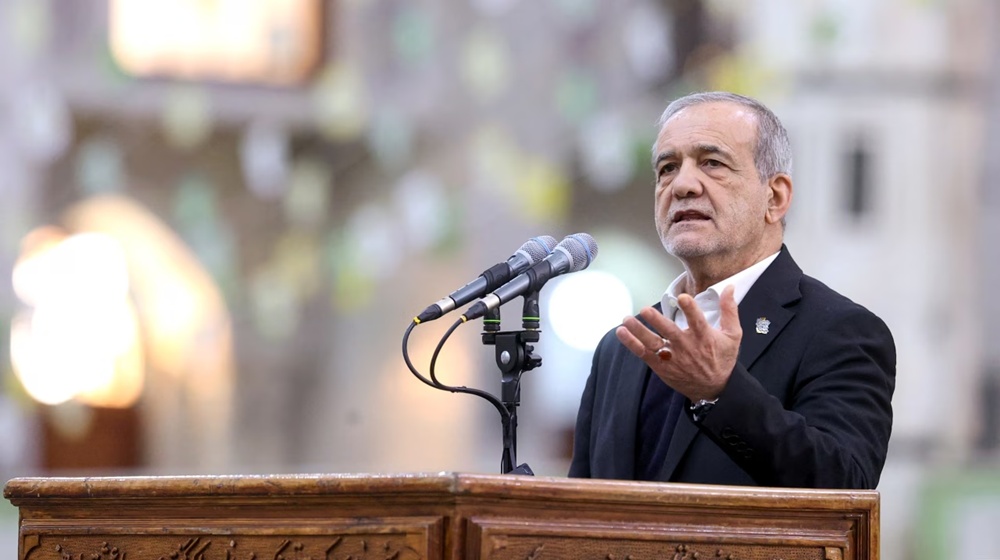
In a significant diplomatic move, President Masoud Pezeshkian stated that Iran is seeking a comprehensive resolution rather than a temporary ceasefire. During a telephone conversation with European Council President António Costa, the Iranian leader clarified that while Tehran is ready to stop the fighting, it requires international assurances against renewed aggression.
This sentiment was echoed by Foreign Minister Abbas Araghchi, who told Arab media that Iran‘s goal is a “complete and final end” to the war. Araghchi revealed that direct messages are being received from the U.S. Special Representative, though he noted that formal negotiations have not yet commenced.
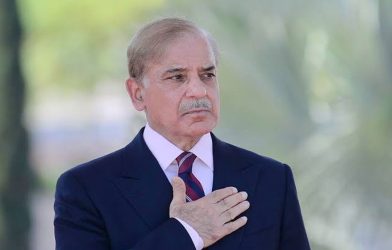
Crucially, the Foreign Minister confirmed that security-related discussions are currently being facilitated through Pakistan, highlighting the neighboring country’s growing role as a diplomatic mediator in the region.
On the domestic front, President Pezeshkian praised the “admirable unity” of the Iranian people throughout the conflict. Meanwhile, the Iranian Revolutionary Guard Corps (IRGC) issued a stern warning, stating that they may target American technology companies if the campaign against Iranian leadership continues.
The White House has previously signaled that while diplomacy remains the first option, the U.S. military is prepared for more intense strikes if a resolution is not reached. With Pakistan acting as a bridge for communication, the international community is watching closely for signs of a formal de-escalation framework.
As the situation remains volatile, these diplomatic signals suggest a potential path toward a broader regional settlement, provided that all parties can agree on the verification and guarantee mechanisms demanded by Tehran.