

The Surge in Arrests
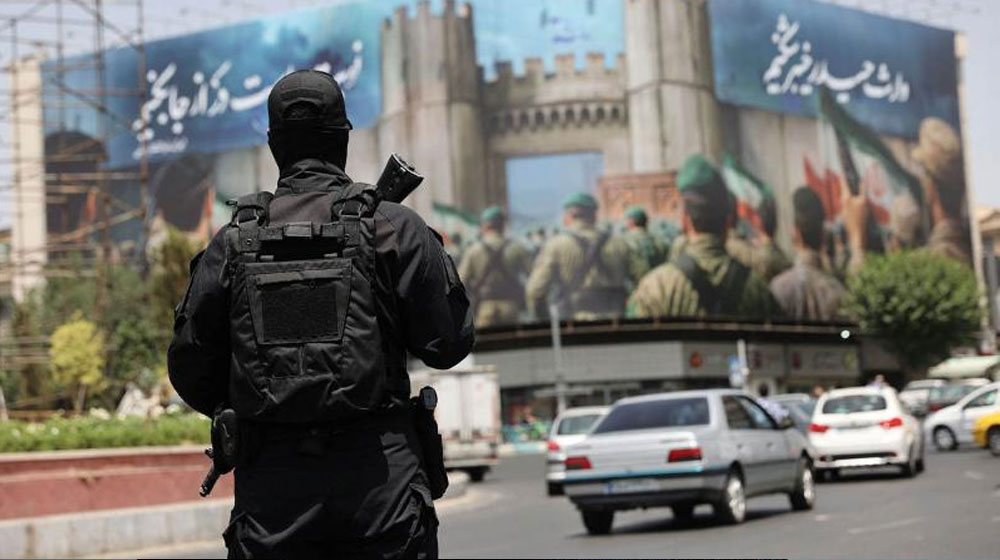
On March 15 and 16, 2026, Iranian authorities announced a massive wave of arrests targeting individuals accused of providing intelligence to “hostile” foreign entities. According to Iran’s Police Chief, Brigadier General Ahmadreza Radan, approximately 500 people have been detained since the current conflict with the U.S. and Israel began on February 28.
Among these detainees, dozens are specifically accused of being informants for Israel (the “Zionist enemy”). Reports indicate that these “mercenaries” were allegedly capturing footage of strike locations and transmitting coordinates of military and security infrastructure to help guide incoming missiles and drones.
Key Locations and Charges
The crackdown has been nationwide, with significant operations reported in:
- West Azerbaijan (Urmia): 20 people arrested for sending details of military and law enforcement sites.
- Khorasan Razavi and Mazandaran: Networks of 10 people each were dismantled for allegedly gathering intelligence on economic infrastructure.
- Qazvin: An individual was detained for using a banned Starlink terminal to send information to foreign-based media.
- Lorestan: Detentions were made for “disturbing public opinion” and damaging state symbols.
A “Fifth Column” Narrative
The Iranian judiciary and the Revolutionary Guard (IRGC) have labeled these individuals as a “fifth column” tasked with inciting internal riots while the country is under external attack. This comes as the regime maintains a near-total internet blackout, now entering its 14th day, which NetBlocks reports has reduced connectivity to just 1% of normal levels.
The Context of the Conflict
These arrests follow a dramatic series of events, including the reported death of Iran’s Supreme Leader on February 28 during the initial wave of U.S.-Israeli strikes. In response, Iran has launched retaliatory strikes across the region, targeting U.S. allies and military bases. The UN Fact-Finding Mission has warned that the level of state repression, combined with the lack of civilian access to information, may amount to crimes against humanity.