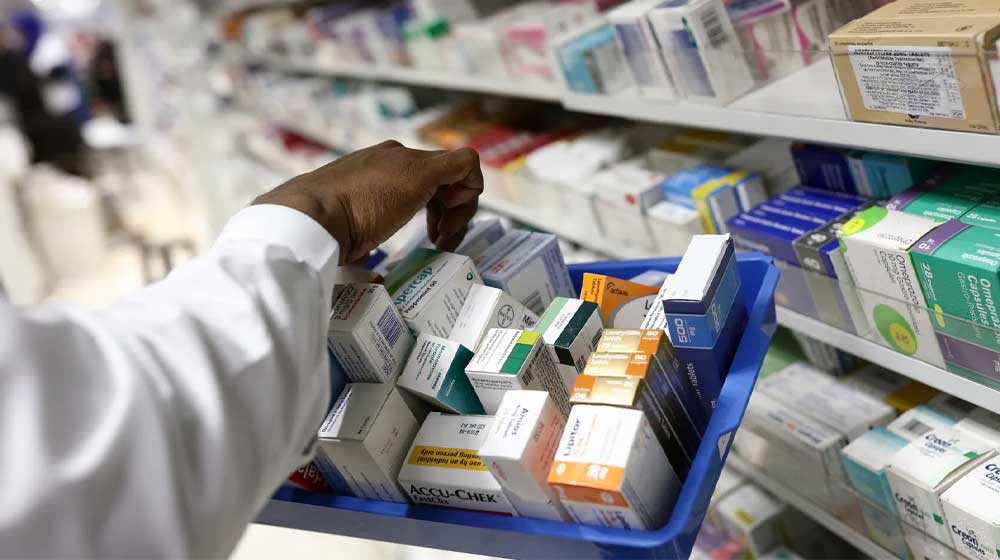
More than 100 life-saving medicines are currently unavailable in Pakistan. Patients are struggling to find essential treatment for cancer, hypertension and diabetes. Drug manufacturers and suppliers say several products have gone out of production one by one over the past two years. Rising costs have made the retail prices unviable.
Manufacturers say they have repeatedly asked the government to revise prices upward so production can resume. However, the requests remain unapproved. Tauqeer Ul Haq, former chairman of the Pakistan Pharmaceutical Manufacturing Association, says hardship cases under the Drug Pricing Policy 2018 should be decided within 60 to 90 days. Many applications, however, have stayed pending for more than two years.
Haq puts the number of unavailable medicines at close to 105. Moreover, the real number of hardship cases is higher. Manufacturers have stopped filing new requests because earlier applications sat pending. Haq says manufacturers are not seeking extra profit. Instead, they want revised prices for medicines that have become financially unviable at current rates.
Haq warned that patients face serious risk. Furthermore, they may turn to counterfeit or smuggled medicines at higher prices without original low-cost options. The government still controls the prices of life-saving drugs, which make up around 40 percent of all medicines sold in Pakistan.
PPMA senior vice chairman Kamran Nasir says DRAP and the Drug Pricing Committee recommended new prices for hardship cases. They sent the summary to the federal cabinet for approval. However, the cabinet has not considered it despite repeated submissions over two years.
Nasir says Pakistan is the only country where the regulator reviews hardship cases while the cabinet gives final approval. He says the system makes little sense because DRAP has the technical expertise. The cabinet, meanwhile, lacks the time and specialist knowledge to review each price issue.
According to the PPMA, manufacturers recently met Health Minister Mustafa Kamal, Planning Minister Ahsan Iqbal and Adviser Haroon Akhtar. They agreed to raise the issue with the prime minister. Nasir also says DRAP does not accept requests blindly. It checks prices in neighbouring countries such as India, Bangladesh and Sri Lanka before recommending new rates.
Finally, Nasir says manufacturers need a reasonable profit margin to keep plants running, pay staff, supply medicines and invest in new production lines. Manufacturers add that the shortage of life-saving medicines will not ease until the cabinet approves new prices.