A legal battle over fuel prices has erupted in Lahore. The Judicial Activism Panel filed a petition challenging the fuel price hike and the government’s shift toward daily pricing adjustments. Therefore, the court must now decide whether the government has authority to revise fuel costs weekly without clear legal frameworks.
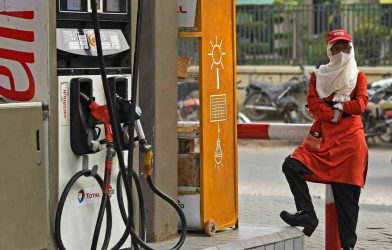
The government increased petrol from Rs. 297.53 to Rs. 310.71 per litre on July 10. High-speed diesel rose from Rs. 309.50 to Rs. 323.30 per litre. However, just one week later, another notification arrived. Petrol jumped Rs. 5.44 more to Rs. 316.15 per litre. Meanwhile, diesel spiked Rs. 31.05 to Rs. 354.35 per litre.
This rapid cycling of increases prompted the fuel price hike challenged petition. Panel Chairman Azhar Siddique argues the pattern signals movement toward daily pricing. Moreover, he contends the government has disclosed no legal framework supporting this mechanism. Additionally, no transparent methodology exists for determining these figures.
The petition alleges constitutional violations. Executive decisions without parliamentary oversight burden citizens arbitrarily, according to the complaint. Furthermore, petroleum products affect transportation, agriculture, electricity, and industry simultaneously. Consequently, sudden fuel increases trigger wider inflation across the entire economy.
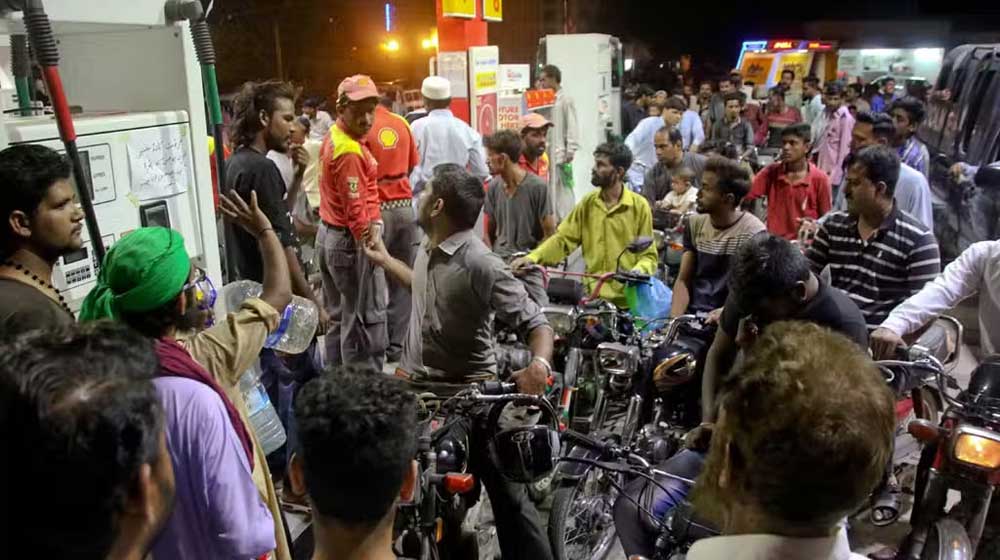
Low-income consumers absorb these costs most painfully. Farmers face rising agricultural expenses. Transporters pass charges to businesses. Traders raise retail prices. Small businesses struggle to survive. Therefore, the ripple effects extend far beyond fuel pumps.
The petition also accuses the government of hiding levy increases. The Petroleum Development Levy and Climate Support Levy apparently rose significantly. However, authorities never disclosed these component changes publicly. As a result, citizens cannot calculate how much they actually pay in taxes versus base costs.
Siddique requests multiple court orders. First, he wants the July 17 notification suspended immediately. Second, he demands the government halt ad hoc fuel revisions lasting just days. Third, he insists the government disclose the complete petroleum pricing formula. Additionally, he seeks the legal basis for all price calculations.
The court must balance public interest against executive flexibility. Energy markets require responsive pricing in volatile global conditions. Still, arbitrary increases without transparency damage public trust. Therefore, the fuel price hike challenged petition raises legitimate governance questions.
National media outlets have highlighted these concerns extensively. Public anxiety about fuel pricing has grown substantially. Moreover, questions persist about legality, transparency, and fairness in the current system. Finally, the Lahore High Court decision could reshape how Pakistan adjusts petroleum prices going forward.