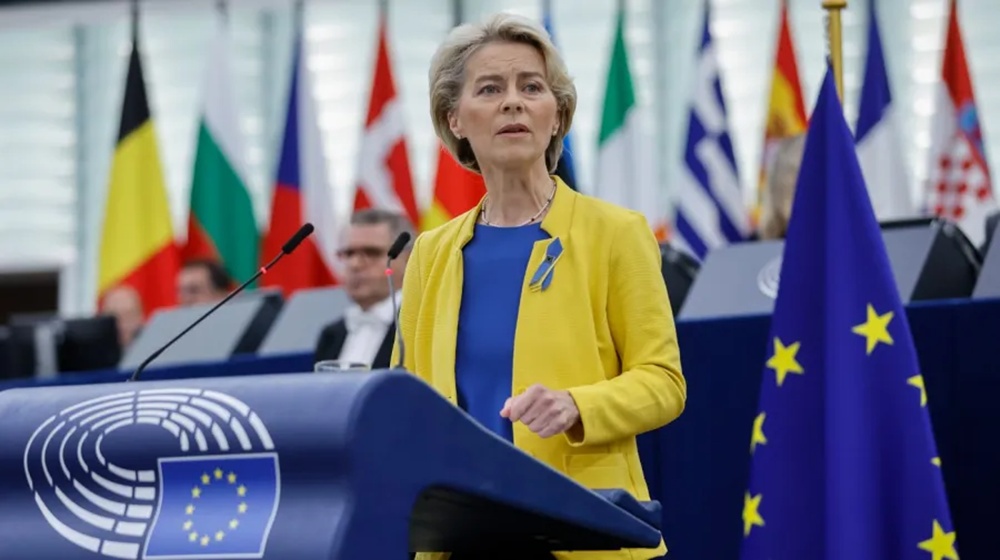
As tensions in the Middle East continue to impact international markets, the European Commission has taken the proactive step of urging a shift back to remote work. This measure is designed to curb the demand for energy, particularly in the transport and commercial heating sectors.
European media reports indicate that the Commission is also appealing to citizens to significantly reduce their use of private vehicles and avoid non-essential air travel. These recommendations come as the threat of a prolonged energy shortage becomes increasingly real due to the instability surrounding major oil and gas supply routes.
The Commission emphasized that the conflict has made the transition to renewable energy a matter of immediate national security. Member states have been instructed to accelerate their “green energy” initiatives to decrease reliance on traditional fossil fuels that are currently subject to extreme price volatility.
In addition to individual lifestyle changes, the European Commission is pushing governments to intensify emergency response measures. This includes streamlining the distribution of existing reserves and investing heavily in infrastructure that supports long-term energy independence.
While the “Work-From-Home” model was widely adopted during previous global events, its reintroduction now serves a purely economic and resource-based purpose. Officials warn that without these collective conservation efforts, the continent could face severe disruptions during the coming months.
The global community is watching closely as Europe attempts to balance its economic stability with the shifting geopolitical landscape. For now, the focus remains on “energy solidarity” to protect the most vulnerable populations from surging costs.