
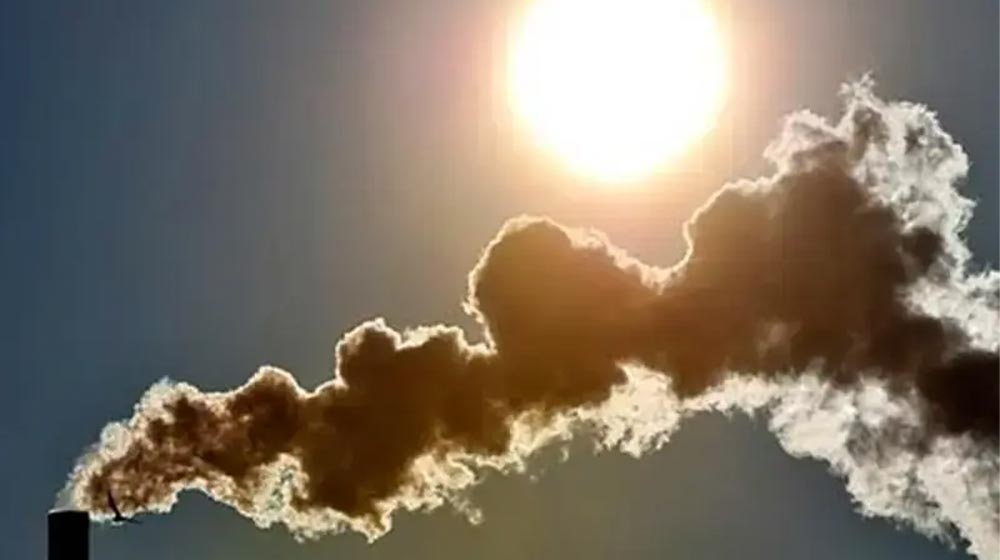
The climate change impact on Pakistan mortality is becoming a major concern as new projections highlight rising risks. A study by the Climate Impact Lab estimates that Pakistan could see 51 additional deaths per 100,000 people by 2050 due to increasing temperatures. This data shows how climate change is no longer just an environmental issue. It is now a direct threat to human health and survival.
Low- and middle-income countries will face the highest burden. Nearly 90% of global climate-related deaths will occur in these regions. Pakistan ranks among the most vulnerable countries due to rapid urban growth and limited resources.
Climate Change Impact on Pakistan Mortality Driven by Extreme Heat
The climate change impact on Pakistan mortality will increase mainly due to rising heat levels. Experts warn that heat-related deaths could surpass current mortality rates from tuberculosis, chronic obstructive pulmonary disease, and stroke. This shift highlights the growing health risks linked to climate change.
Urban areas face the greatest danger. Cities like Faisalabad, Lahore, and Multan will likely see a sharp rise in deaths. High population density and rising temperatures increase the risk. The study estimates that one-third of additional global deaths in cities could occur in Pakistan.
Weak Adaptation and Funding Gaps Increase Risk
Limited adaptation planning continues to worsen the situation. Pakistan has allocated funds for climate adaptation, but most of it focuses on agriculture. Urban heat management remains weak. This gap leaves millions exposed to extreme conditions.
Experts also warn about humid heat reaching dangerous levels. In some areas, temperatures could exceed human tolerance limits. This will affect daily life, reduce productivity, and increase health risks. Outdoor workers in sectors like construction and farming will face the greatest challenges.
Urgent Need for Action and Climate Planning
Researchers stress that strong action can still reduce the climate change impact on Pakistan mortality. Better urban planning, improved healthcare systems, and increased funding can lower risks. Economic growth can also help reduce vulnerability over time.
However, delays will increase both human and financial costs. Even if global climate goals are achieved, temperatures will continue to rise in the coming decades. Pakistan must act now to prepare for these changes and protect its population.