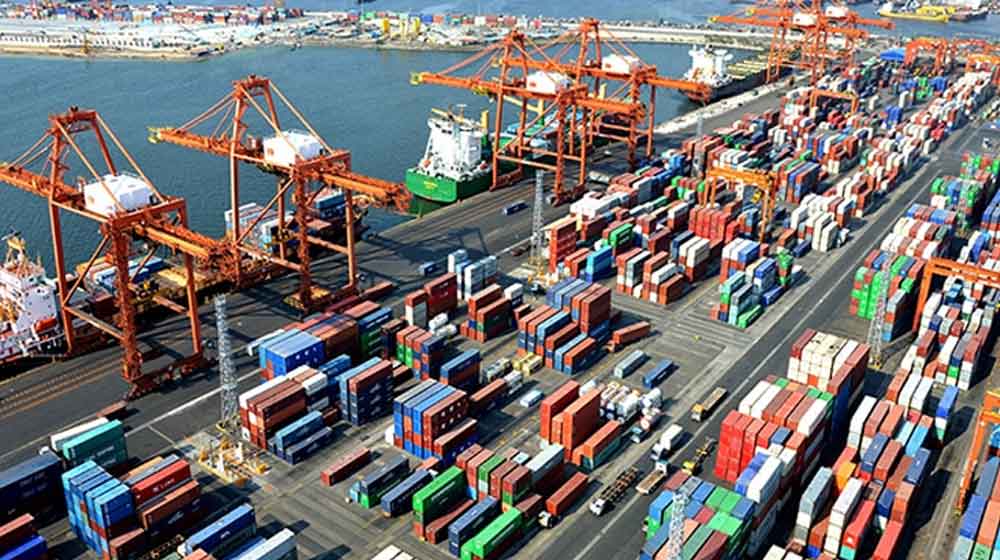
Pakistan is securing a major Port Qasim investment. Four countries—China, the UAE, Turkey, and Qatar—will pump $2 billion into the port over three decades. Therefore, Port Qasim modernization will reshape Pakistan’s maritime infrastructure significantly.
A $250 million dredging project entered phase one immediately. Once complete, it will allow ships with 18-metre drafts to dock. Currently, many vessels cannot access the port due to shallow channels. This bottleneck has limited cargo capacity for years.
Reko Diq Mining Company committed $150 million for rail infrastructure. Minerals from the Reko Diq mine will transport directly to Port Qasim. Additionally, this eliminates expensive road logistics. Moreover, it establishes a cost-effective export corridor for mineral products.
The ML-1 railway project runs parallel to Port Qasim investment efforts. A new rail link connects Pipri to Port Qasim. This track will eventually facilitate Thar coal exports. Therefore, multiple cargo types can move efficiently through unified corridors.
Authorities are building an integrated logistics network nationwide. Sea, rail, and road transport connect seamlessly. A multi-logistics park at Pipri sits central to this strategy. Furthermore, the park reduces freight congestion on Karachi’s main roads dramatically.
Long-term planning envisions connecting three major ports. Gwadar Port, Karachi Port, and Port Qasim will integrate into one transport system. This creates redundancy and efficiency simultaneously. Moreover, it distributes cargo burden across multiple facilities.
The Port Qasim investment reflects confidence in Pakistan’s economic trajectory. International investors see growth potential in South Asia. Additionally, Pakistan’s strategic location attracts capital from multiple regions. Therefore, this partnership signals broader regional cooperation.
The 30-year timeline indicates genuine commitment. These partners plan long-term returns rather than quick profits. As a result, Pakistan gains sustained infrastructure development. Finally, Port Qasim investment could transform the port into a regional logistics hub.