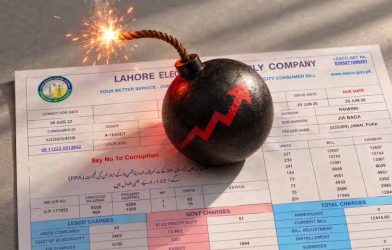

Pakistani consumers face renewed financial pressure. NEPRA raised electricity tariffs by Rs2.06 per unit through monthly adjustment mechanisms. This addresses the July adjustment specifically. The regulator also approved a separate 52-paisa-per-unit increase under quarterly adjustment. Both increases apply to K-Electric consumers too.
The monthly increase will appear in September bills. The July adjustment alone transfers more than Rs33 billion onto consumers nationwide.
Separately, NEPRA forwarded its quarterly adjustment decision to the federal government. This covers April to June 2026. Tariffs increase by 52 paisas per unit under this adjustment. It remains applicable from September through November 2026. K-Electric consumers are also included. The quarterly adjustment adds Rs12.67 billion in consumer burden.
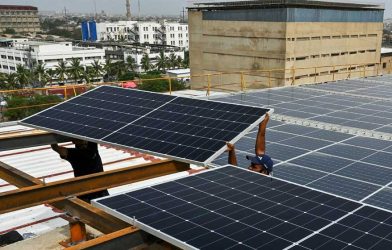
Beyond these hikes, NEPRA approved mandatory Battery Energy Storage System requirements. This applies to an upcoming 800-megawatt renewable energy auction. Both wind and solar projects fall under these rules. NEPRA made this change through wheeling auction process amendments. This allows the Independent System Operator (Ismo) to issue formal proposals soon. The first 400MW auction block should see RFP issuance this month.
Under the first amendment, bidders must commit to specific BESS capacity. Battery storage must comprise at least 10 percent of proposed wind or solar capacity. “An auction participant that intends to participate in the auction by utilising solar and/or wind generation technologies shall only be eligible to participate in the auction if the firm capacity of its BESS located at the site of the generation facility is equivalent to at least 10pc of the firm capacity of its solar and/or wind generation facility,” NEPRA stated.
For the first Ismo auction, participants must submit proposals within two months of RFP publication. “This period shall be fixed and non-extendable. For all subsequent auctions, auction participants shall submit their proposals within one month of the publication of the RFP,” NEPRA said. This extended timeline gives Ismo flexibility initially. Many participants might otherwise request deadline extensions.
The amendments also establish a grievance redressal committee. Three members will handle auction-related complaints. The PPIB’s managing director will head this committee. Two independent Ismo board directors will complete it.
Ismo’s modeling revealed important financial insights. Returns from BESS installation increased up to a certain capacity. This data informed the new 10 percent requirement.
Consumers absorb another tariff increase this cycle. Meanwhile, NEPRA pushes forward renewable energy infrastructure simultaneously. This reflects Pakistan’s ongoing balancing act between immediate costs and long-term energy development.