

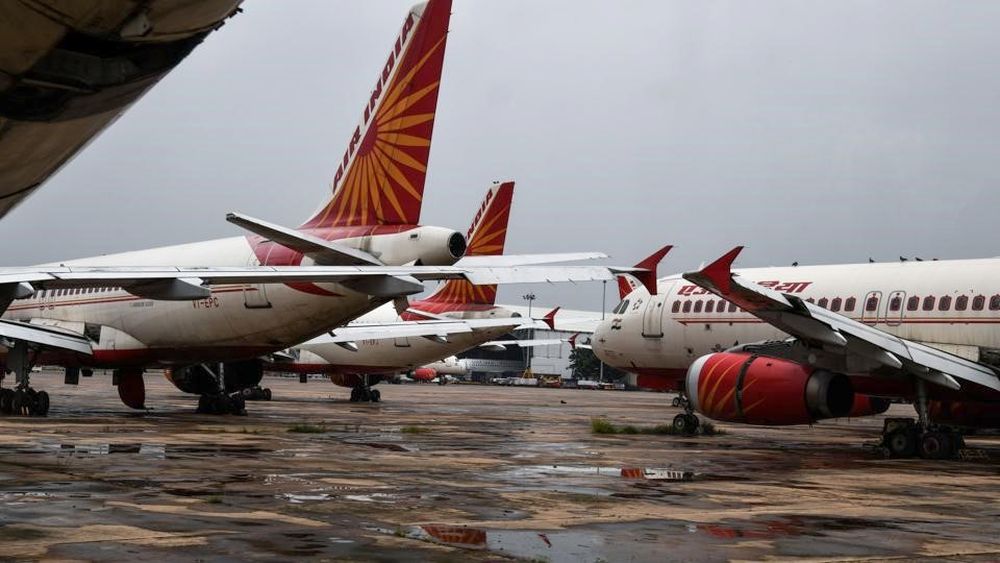
The Air India record loss Pakistan airspace closure has helped create one of the aviation industry’s most shocking financial results. Tata Group’s carrier posted a staggering annual loss of around $2.8 billion for the 2025–26 financial year.
Singapore Airlines, which holds a 25 percent stake in Air India, disclosed the figure in its latest annual report. The loss amounts to 3.56 billion Singapore dollars.
This deficit marks Air India’s biggest annual loss since Tata Group took over from the Indian government in 2022. It also represents one of the deepest losses recorded by any major Asian carrier in recent years. All of this is happening when global air travel demand has largely recovered from the pandemic.
So what went wrong? Operational headwinds have played a significant role. Geopolitical disruptions forced the airline to take longer, costlier routes on several international sectors. The continued closure of Pakistani airspace to Indian carriers has been a major factor. Tensions in the Middle East have also made flying more complicated and expensive.
At the same time, record-high jet fuel prices and a strong US dollar have further squeezed margins, particularly on long-haul flights. These pressures have left the airline with nowhere to hide.
In response, Air India has begun temporarily reducing or suspending a number of international services. Some cuts will remain in place until at least August 2026. The airline says these changes are intended to improve network stability and reduce last-minute disruptions for passengers while it recalibrates capacity on unprofitable routes.
The Air India record loss Pakistan airspace closure contributed to comes during an ambitious transformation program. Tata Group has launched a multi-year plan to rebuild Air India as a world-class global carrier. The group placed massive aircraft orders, merged Vistara into Air India, upgraded cabins and inflight services, and overhauled technology and operations.
Analysts note that such large-scale restructuring often depresses profitability in the short term. Integration costs, fleet renewal expenses, and one-off charges accumulate before efficiency gains materialize.
Singapore Airlines has stressed that despite the near-term drag on its own earnings, it remains committed to the long-term potential of the Indian market. However, KPMG flagged “indicators of impairment” linked to SIA’s investment in an accompanying audit report, citing the difficult operating environment and ongoing geopolitical uncertainties.
For now, Air India remains unlisted and has not publicly filed detailed financial statements in India. The SIA disclosures and subsequent media reports remain the main window into the airline’s financial health. That window currently shows a very troubled picture.