
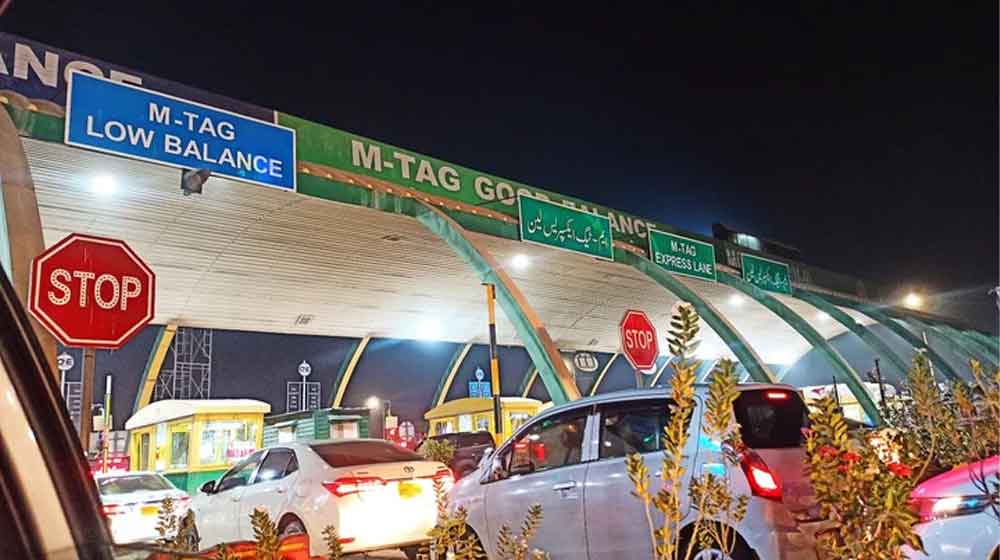
Toll exemption EVs Pakistan initiative forms part of sweeping Auto Policy 2026–31 reforms targeting clean energy adoption
Pakistan’s federal government is moving to make electric vehicles far more attractive. Under the upcoming Auto Policy 2026–31, the government plans to waive toll fees on motorways and national highways for New Energy Vehicles. This covers full battery-electric vehicles, plug-in hybrids, and fuel cell vehicles. The toll exemption EVs Pakistan measure is, therefore, one of the most direct incentives the government has put forward for clean energy adoption yet.
The motivation is straightforward. Pakistan wants to accelerate the shift toward electric mobility. Removing toll costs cuts a real financial burden for EV and PHEV owners. Moreover, it sends a strong signal that the government means business on clean transport.
The toll waiver is, however, just one piece of a much larger overhaul. The government also plans to dismantle its long-standing protectionist auto regime. It will fully phase out Additional Customs Duties by FY2029. It will also cut Regulatory Duties by 80 percent by FY2030. Furthermore, authorities plan to abolish all SRO-based concessions that have historically shaped tariff protection in the sector, also by FY2030.
Import and assembly tariffs are heading downward too. Duties on Completely Built Unit vehicles currently sit between 50 and 100 percent. The government plans to bring these down to between 35 and 75 percent over five years. For Completely Knocked Down units used in local car, SUV, and minivan assembly, tariffs will fall from 30 percent to 20 percent over the same period. The government targets a weighted average applied tariff below 6 percent by FY2030.
NEV incentives will not come without conditions, however. The policy ties them directly to localization requirements. Therefore, electric vehicle manufacturers must demonstrate a domestic manufacturing commitment to qualify. Finally, the broader framework shows a government trying to balance affordability, competition, and homegrown industrial growth all at once.