

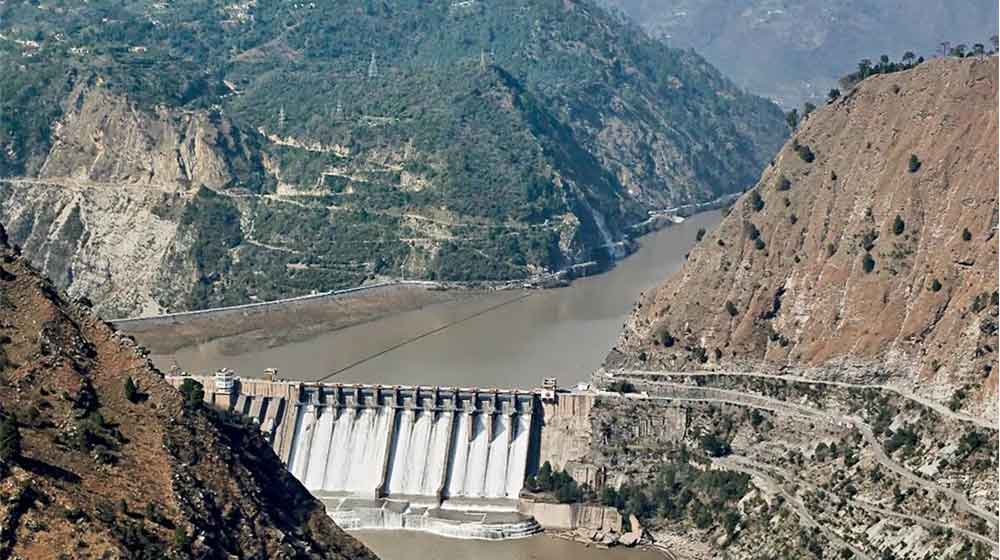
Pakistan achieved a significant diplomatic and legal triumph this week. The Permanent Court of Arbitration ruled decisively favoring Pakistan’s position. Therefore, the Indus Water Treaty case establishes that India must continue treaty compliance. The Hague-based court confirmed this decades-old water-sharing agreement remains fully valid. Additionally, the court ordered India limiting construction on the Ratle hydroelectric project specifically. This project sits within Indian-administered Kashmir currently under dispute.
The ruling directly rejected India’s controversial legal position entirely. India had claimed unilateral treaty suspension authority previously. However, the court determined this position lacked legal foundation completely. Therefore, India possesses no legal basis terminating or suspending the agreement. This represents a comprehensive rejection of India’s unilateral action claims.
Technical assessment continues regarding specific project compliance issues. A neutral expert appointed by the World Bank will evaluate disputed projects. This determination must conclude by July 2027 specifically. The expert will assess whether hydropower project construction meets treaty requirements. Therefore, ongoing technical evaluation supplements this broader legal victory.
Pakistan welcomed this ruling enthusiastically celebrating the outcome. Officials confirmed the treaty has neither been terminated nor suspended. Furthermore, India remains legally bound by treaty provisions completely. This validates Pakistan’s consistent legal position throughout the dispute. Additionally, it protects Pakistan’s water security interests substantially.
The Indus Waters Treaty carries tremendous historical significance broadly. Signed in 1960, it governs river system sharing between both nations. This agreement has remained operational through numerous tensions and conflicts. Multiple wars between India and Pakistan haven’t disrupted treaty implementation. Therefore, this historical resilience underscores the treaty’s importance significantly.
India’s response to this ruling proved predictably defiant. The government rejected Monday’s ruling entirely without qualification. Additionally, India refuses recognizing the Court of Arbitration’s jurisdiction specifically. However, legal experts characterized India’s stance as ultimately irrelevant. International law generally doesn’t permit unilateral jurisdiction rejection after agreement.
This Indus Water Treaty case ruling carries substantial implications regionally. Water security remains critical for both nations’ agricultural and economic interests. Pakistan depends heavily on Indus river system water access. Therefore, treaty protection ensures continued water flow security. Additionally, this ruling establishes important precedent regarding treaty modification attempts.
The dispute highlights broader tensions between India and Pakistan persistently. Water resources represent strategic assets beyond mere economic considerations. Therefore, legal victories carry significant diplomatic weight regionally. Finally, the Indus Water Treaty case demonstrates that international legal mechanisms can effectively protect treaty obligations despite unilateral challenges from powerful nations.