
Nepal faces an escalating humanitarian catastrophe. Health authorities began mass burials Monday as casualties mounted dramatically. Therefore, the Nepal flash flood death toll reached 903 confirmed fatalities across the region. This follows Wednesday’s catastrophic glacial collapse specifically. Both Nepal and China’s Tibet region suffered devastating impacts. Meanwhile, morgues remain overwhelmed with accumulating victims. Decomposition accelerated significantly due to prolonged water immersion. Therefore, officials implemented emergency DNA sampling procedures preserving identification records.
The National Disaster Risk Reduction and Management Authority confirmed devastating statistics. Nepal recorded 903 fatalities specifically within its borders. Additionally, Chinese authorities reported 16 deaths in Tibet’s Gyirong County. The missing persons registry expanded dramatically reaching more than 4,000 individuals. This includes 2,502 missing in Nepal alone. Furthermore, 546 remain unaccounted for in Tibet specifically.
Missing persons statistics reveal disturbing demographic breakdowns. The registry includes 592 foreign nationals among the missing. Additionally, trekkers and Mount Kailash pilgrims comprise significant portions. Furthermore, 933 workers remain buried at damaged hydroelectric facilities. These facilities line the Trishuli River basin extensively.
Forensic teams face extraordinarily difficult identification challenges currently. Teams operating in Chitwan district photograph remains systematically. They extract DNA samples before burying unidentified victims. This process addresses bodies swept into Narayani and Trishuli river systems. However, many recovered remains prove unidentifiable by sight alone. The mudslide’s severe physical force damaged bodies extensively.
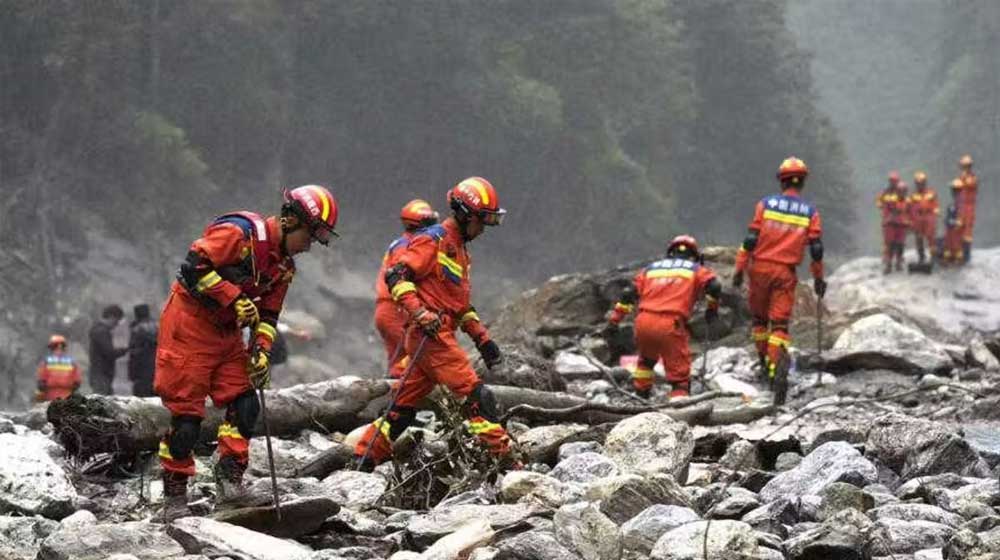
Rescue operations concentrate heavily on hydroelectric facility recovery efforts. Trishuli 3A and Upper Trishuli-1 complexes receive primary attention. Military engineers successfully inserted ventilation pipes into access tunnels. Additionally, drainage systems help reach trapped workers underground. However, operations face persistent interruptions constantly. Secondary landslides threaten rescue teams regularly. Furthermore, rising river levels complicate recovery efforts substantially. New debris-dammed lakes have formed downstream unexpectedly.
International response has mobilized significant emergency resources quickly. The United Nations released $2.5 million from emergency funds immediately. Additionally, multiple nations pledged substantial relief assistance. The United States, United Kingdom and Canada committed funds specifically. Furthermore, the European Union and International Red Cross joined relief efforts. Foreign Minister Shisir Khanal renewed urgent appeals for specialized equipment. Heavy-lift drones and thermal imaging technology remain critically needed. Additionally, specialized tunnel engineering crews require deployment urgently.
Long-term reconstruction needs extend far beyond immediate emergency response. Khanal emphasized that rebuilding destroyed power plants requires substantial investment. Border transit corridors also need comprehensive reconstruction. Therefore, billions in international aid will become necessary eventually. Finally, the Nepal flash flood death toll tragedy demonstrates the catastrophic scale of this natural disaster and the massive humanitarian response required for recovery.