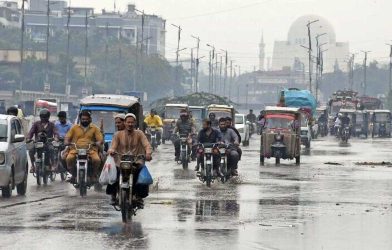

Rawalpindi experienced historic weather conditions this week. The city recorded its heaviest rainfall in 16 years specifically. Therefore, Rawalpindi rain record broken status confirms unprecedented precipitation levels. Torrential rains brought up to 230 millimeters across different city areas. The Provincial Disaster Management Authority confirmed these remarkable statistics officially.
Rainfall distribution varied significantly across different city zones. New Katarian recorded the highest rainfall reaching 230mm specifically. Meanwhile, Shamsabad received substantial precipitation totaling 203mm. Additionally, Chaklala recorded 206mm during this weather event. Furthermore, Golra received 157mm of rainfall comparatively lower. Therefore, rainfall intensity varied considerably throughout different Rawalpindi neighborhoods.
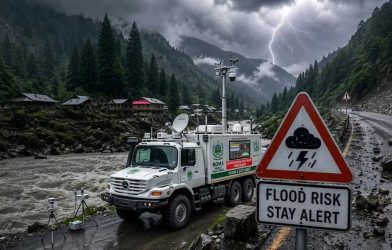
PDMA issued urgent alerts protecting residents near vulnerable areas immediately. Nullah Lai residents specifically received precautionary warnings. Authorities urged taking necessary safety precautions given flooding risks. The PDMA control room operates continuously monitoring weather conditions. Additionally, flood conditions receive around-the-clock surveillance attention. Therefore, authorities maintain vigilant monitoring throughout this weather emergency.
Rawalpindi Cantonment Board Chief Water Engineer Muhammad Ateeq confirmed historic significance. He stated this rainfall broke a 16-year record definitively. Speaking with Express News specifically, he referenced comparable 2010 rainfall levels. This represents the last time similar precipitation occurred locally. Additionally, he confirmed staff placement on high alert status. This directive came from the Cantonment Board’s Executive Officer directly.
Fortunately, no major emergencies have been reported within cantonment areas thus far. This positive development reflects effective preparation and monitoring efforts. However, authorities remain vigilant given ongoing weather uncertainty. Ateeq explained that cantonment areas experienced relatively lower rainfall comparatively. Meanwhile, upstream Nullah Lai areas received significantly heavier precipitation. Therefore, geographic variation in rainfall intensity created different risk profiles.
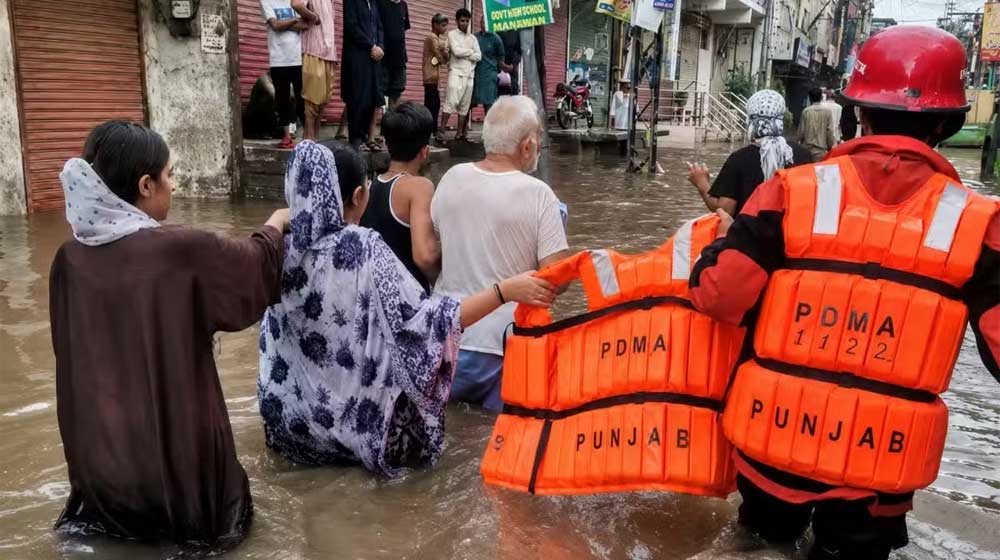
Emergency infrastructure has been established supporting affected residents comprehensively. An emergency center now operates providing round-the-clock assistance. Residents can contact authorities anytime requiring support. Additionally, the cantonment area divides into six distinct sectors specifically. Flood relief camps have been established within each sector. These camps provide emergency response capabilities addressing potential crises.
Control room officials maintain rapid response protocols continuously. They respond immediately to resident calls requesting assistance. Therefore, communication channels remain open and responsive throughout this emergency. Officials continue monitoring conditions closely following this unprecedented rainfall event. Finally, the Rawalpindi rain record broken situation demonstrates both the severity of this weather event and the comprehensive emergency response mobilized to protect residents throughout the affected areas.