Pakistan’s import bill for cooking oil just hit an alarming peak. Pakistan palm oil imports reached 3.482 million tonnes in fiscal year 2026. Therefore, the cost climbed to a record $3.785 billion. Moreover, the surge reflects mounting pressure on the nation’s foreign exchange reserves.
Import volumes jumped from 3.214 million tonnes in FY25. Meanwhile, the previous fiscal year’s bill stood at $3.4 billion. Consequently, Pakistan added nearly 300,000 tonnes of imports while spending an extra $385 million. Furthermore, the average price per tonne edged up to $1,078 from $1,056.
Population growth drives the demand relentlessly upward. Sheikh Umer Rehan, chairman of the Pakistan Vanaspati Manufacturers Association, explained the pressures clearly. Edible oil consumption has swelled to 4.8 million tonnes. This compares with just four million tonnes five years ago. Therefore, consumption is accelerating faster than domestic production.
Local oilseed crops have withered under pressure. Cottonseed output has declined substantially. Pakistan palm oil imports now fill the gap. However, Rehan lamented that no edible oil policy exists since independence. Additionally, the government has neglected long-term sector planning. Consequently, the nation remains chronically dependent on foreign supplies.
Fresh complications emerged recently. The Federal Board of Revenue changed how sales tax applies. Manufacturers now pay GST on retail prices rather than ex-mill rates. Therefore, tax burdens expanded overnight. Rehan criticized the FBR for creating complications. He said taxpayers face mounting pressure instead of relief. Moreover, the new mechanism contradicts business-friendly objectives.
FY27’s budget introduced another blow. The Third Schedule expanded to include more products. Sales tax collection now relies on Maximum Retail Price calculations. As a result, retail prices will jump Rs. 10 to Rs. 15 per kilogram. The PVMA had urged tax cuts instead. Still, the government moved in the opposite direction.
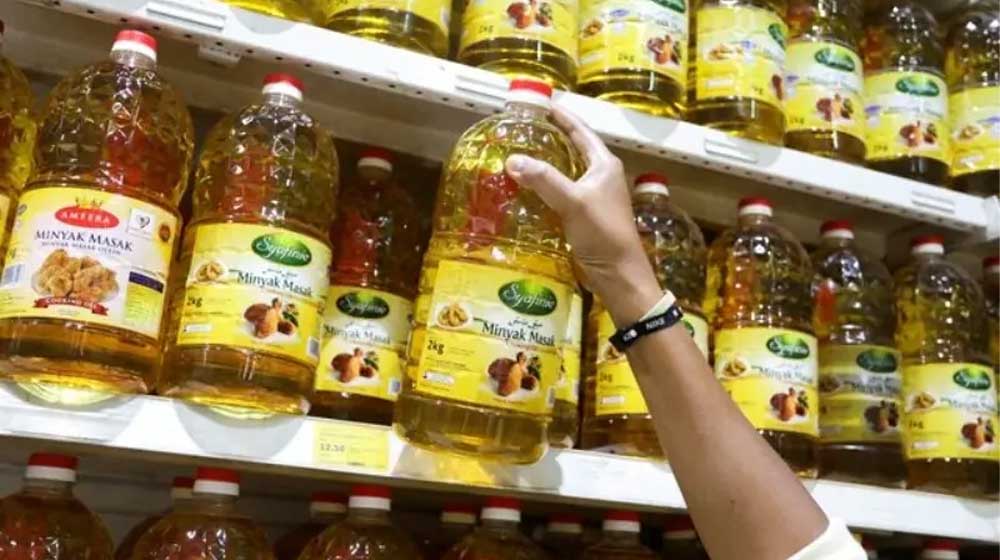
Kitchen staple prices reflect the pressure mounting. Five-litre containers of cooking oil now cost Rs. 2,975 to Rs. 3,110. A year ago, prices ranged from Rs. 2,800 to Rs. 3,000. Meanwhile, ghee prices climbed proportionally. A 2.5-kilogram tin now fetches Rs. 1,500 to Rs. 1,565. Previously, the same product cost Rs. 1,425 to Rs. 1,485.
Consumers absorb all increases ultimately. Pakistan palm oil imports feed growing demand. However, tax policies and import reliance guarantee continued price pressure. Finally, without domestic production growth, Pakistan palm oil imports will remain the nation’s burden.