

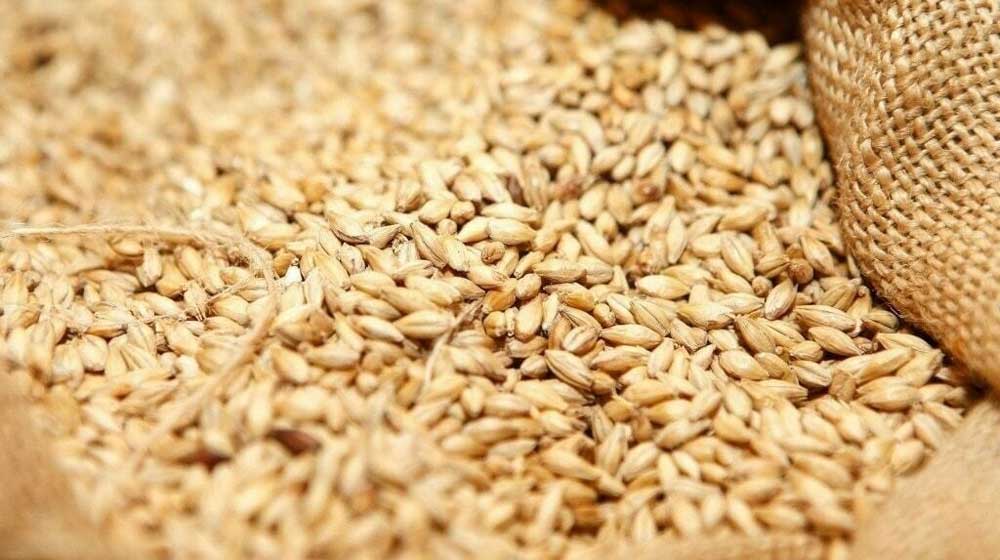
The federal government has moved to import 750,000 metric tonnes of wheat to strengthen domestic supplies. The Trading Corporation of Pakistan has issued an international wheat import tender to handle the procurement. This step aims to meet provincial requirements as stocks come under pressure.
The TCP has invited sealed bids from international suppliers for the full 750,000 tonnes. Suppliers can offer a quantity variation of plus or minus 10 percent. Therefore, bidders have some flexibility in the volumes they submit. TCP will procure the wheat on a Cost and Freight basis and deliver it to Karachi and Gwadar ports.
Under the tender conditions, suppliers must offer wheat from the latest crop year. They can deliver directly or through local offices registered with federal or provincial tax authorities. Additionally, suppliers must have the capacity to source wheat in bulk from anywhere in the world. Suppliers must follow the shipment schedule outlined in the tender documents. They must also meet prescribed quality standards and comply with the Import Policy Order currently in force.
The TCP said it would not accept bids below 50,000 metric tonnes, including the permitted variation. This condition ensures that participating suppliers can deliver substantial quantities within the required timeframe. Instead of scattering supply across many small vendors, the government wants fewer, more reliable partners.
According to government sources, authorities will distribute the imported wheat among the provinces based on need. Sindh is expected to receive 300,000 metric tonnes, Punjab 250,000 tonnes and Khyber Pakhtunkhwa 200,000 tonnes. A committee chaired by Deputy Prime Minister Ishaq Dar approved this procurement decision. The move follows an earlier decision by Prime Minister Shehbaz Sharif, who approved the import of 1 million metric tonnes after provinces sought additional supplies.
The proposed imports address a national wheat requirement estimated at about 31.3 million tonnes for the 2026-27 market year. Production forecasts stand at around 29.6 million tonnes, leaving a notable gap. The Economic Survey 2025-26 also estimated wheat production at about 29.61 million tonnes, up from 28.40 million tonnes a year earlier.
Existing stocks remain another factor in the government’s supply management efforts. PASSCO, which maintains strategic wheat reserves for deficit provinces, held about 1.783 million tonnes as of the first week of July. Finally, these combined measures suggest the government is taking a multi-pronged approach to avoid supply shortages in the months ahead.