
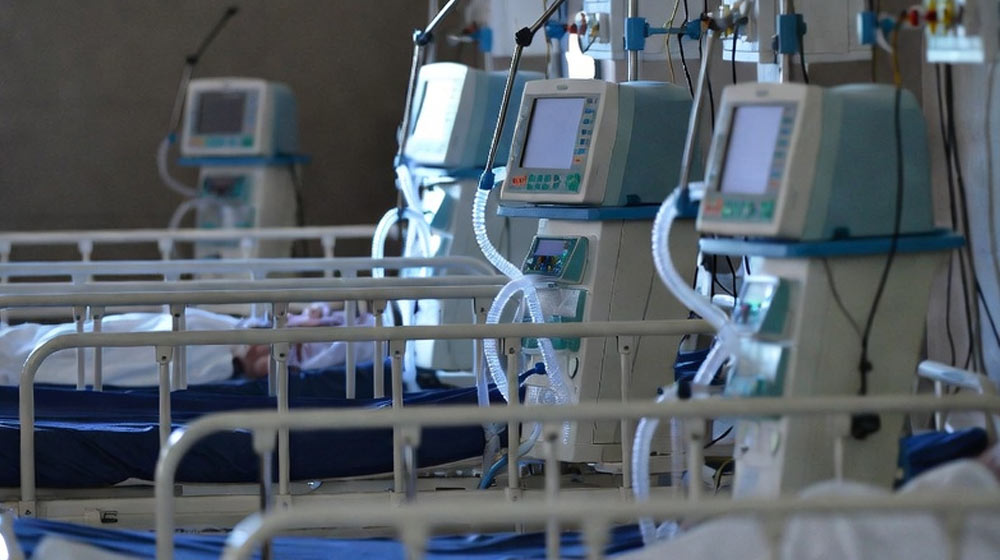
A report submitted to the Lahore High Court exposes a severe shortage of ventilators in Punjab’s public hospitals, with only 411 available across 36 districts and a shocking nine allocated to Lahore, the province’s largest city.
Punjab’s healthcare system is facing a dire crisis, as highlighted by a recent report presented before the Lahore High Court (LHC). The document, submitted by the Punjab Health Services Director General, Dr. Naveed Akhtar Malik, details that public sector hospitals in the province’s 36 districts collectively have just 411 ventilators. This revelation came during a hearing on a public interest petition filed by the Judicial Activism Panel, which addresses patient deaths linked to measles and alleges that inadequate medical infrastructure, including ventilator shortages, has led to preventable fatalities. The petitioners argued that “many lives could have been saved if basic healthcare facilities had been available,” urging the court to investigate measles-related deaths.
The distribution of these ventilators underscores significant disparities across districts. Mianwali tops the list with 30 ventilators, followed by Hafizabad with 23, while Sialkot has only four, and both Chiniot and Khanewal are allocated just five each. Most alarmingly, Lahore—the bustling capital and most populous city in Punjab—has been assigned a mere nine ventilators, a figure described as “shockingly” low in the report. This shortfall is particularly concerning amid rising health challenges, including a reported 330 measles cases so far in 2026, compared to 4,000 in the previous year and 6,747 in 2024. The report also noted the availability of cold chain equipment for vaccine distribution, but critics point out that this does little to address immediate life-support needs in hospitals.
During the LHC proceedings presided over by Justice Malik Muhammad Awais Khalid, the court expressed concern over the adequacy of these numbers. The judge emphasized the need for information on global standards for ventilator requirements per patient and whether such equipment is mandatory in critical cases. He directed that any identified shortages should be immediately brought to the government’s attention for resolution. Additionally, the court summoned the Punjab Primary and Secondary Healthcare Secretary and the Specialised Healthcare Secretary to appear in person after Eid, and requested details on monkeypox patients and the measures implemented by health authorities to manage such outbreaks.
This case builds on earlier court actions, including a February 2026 directive from the LHC seeking comprehensive ventilator data across Punjab hospitals in response to similar concerns about measles fatalities. Broader reports indicate ongoing issues in Punjab’s healthcare infrastructure, such as 431 non-functional ICU ventilators reported earlier in the year, exacerbating risks for critically ill patients and highlighting a shortfall of nearly 1,600 ventilators based on international standards. As Pakistan grapples with these revelations, the LHC’s intervention could prompt urgent reforms, but it also raises questions about resource allocation in a province where urban centers like Lahore appear disproportionately underserved. Stakeholders, including health experts and activists, are calling for immediate investment in medical equipment to prevent further tragedies and align with global healthcare benchmarks.