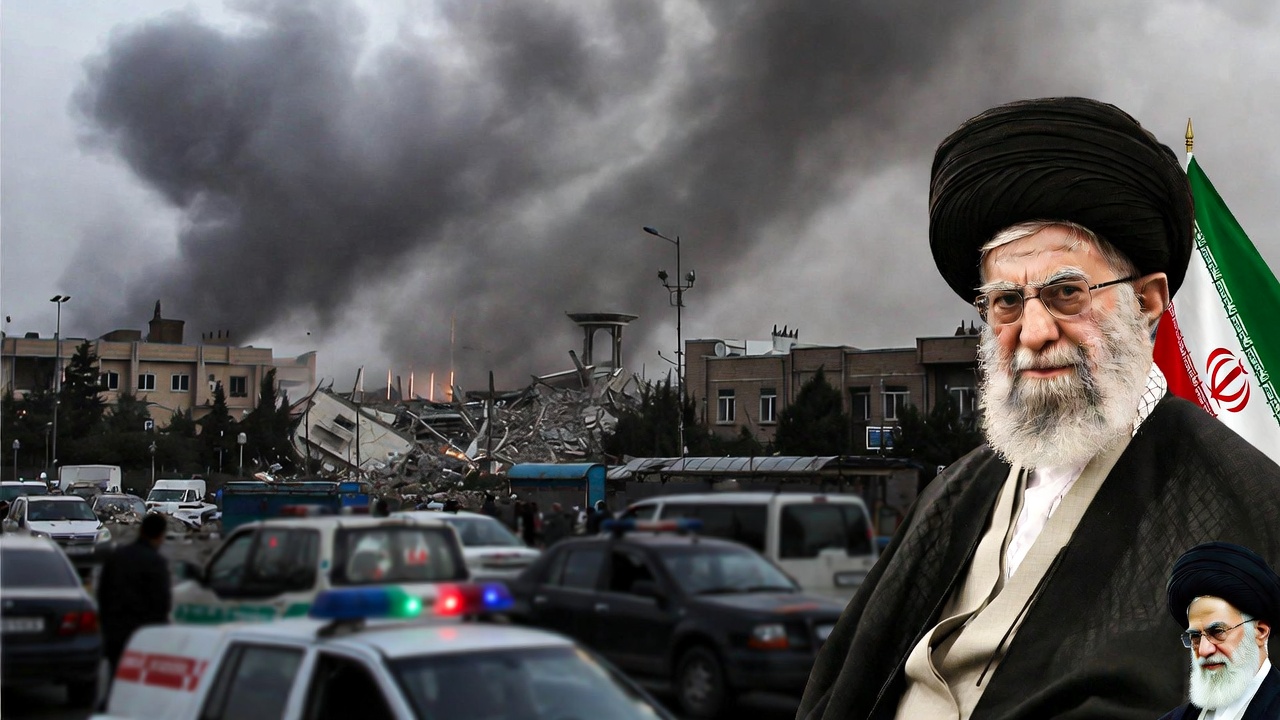
The attack, occurred during escalated military operations, killing Khamenei along with family members and senior officials. Iran declared 40 days of national mourning and vowed retaliation, while global reactions condemned the strike as a violation of international norms, pushing the region toward further chaos.
The death of Ayatollah Ali Khamenei marks a dramatic escalation in the ongoing conflict between Iran and the US-Israel alliance. On March 1, 2026, coordinated airstrikes targeted key Iranian sites, including Khamenei’s central leadership compound in Tehran. Iranian state media reported that the 86-year-old leader was working in his office when the precision strikes hit, resulting in his immediate death alongside several family members, such as his daughter and grandchildren, and high-ranking military figures like Defence Minister Amir Nasirzadeh and Revolutionary Guards commander Mohammed Pakpour. The operation, dubbed “Operation Epic Fury” by US sources, involved US B-2 bombers and Israeli missiles, with US President Donald Trump stating that intelligence had tracked Khamenei’s movements to ensure the strike’s success. Trump justified the action as necessary to neutralize Iran’s long-standing threats and prevent nuclear development, claiming the war could conclude in four weeks.
Iran initially dismissed reports of Khamenei’s death as “mental warfare” by enemies, but hours later confirmed the assassination, declaring 40 days of public mourning and seven national holidays. The strikes extended beyond Tehran, pounding hospitals and other infrastructure, while Iran retaliated with missiles that killed at least nine in central Israel. The US reported sinking nine Iranian warships and targeting missile sites, though three American troops were killed in the exchanges. Iranian forces also closed the Strait of Hormuz, paralyzing global shipping and heightening economic tensions.
World leaders reacted strongly: Russian President Vladimir Putin called it a “cynical murder” violating human morality and international law, echoing condemnations from other nations. The assassination draws parallels to earlier Israeli “decapitation strikes” against figures like Hezbollah’s Hasan Nasrallah and Hamas’ Ismail Haniyeh. In Iran, Khamenei’s death is framed as martyrdom, potentially mobilizing Shia supporters and accelerating internal power transitions, with an interim leadership quickly formed to vow revenge. This event has plunged the Middle East into crisis, with fears of broader war, as Iran insists on unlimited self-defense while remaining open to talks under certain conditions. Misinformation, including AI-generated images of Khamenei’s body in rubble, has circulated online, but official confirmations from both sides underscore the strike’s reality.
About Supreme Leader Ali Khamenei’s Life
Ayatollah Ali Khamenei, born on April 19, 1939, in Mashhad, Iran, rose from humble beginnings as the son of a cleric to become one of the most influential figures in modern Iranian history. Educated in Islamic seminaries in Mashhad, Najaf, and Qom, he studied under prominent scholars, including Ayatollah Ruhollah Khomeini, the founder of the Islamic Republic. Khamenei was deeply involved in the 1979 Iranian Revolution, serving as a key ally to Khomeini and facing imprisonment under the Shah’s regime for his anti-monarchy activities.
After the revolution, Khamenei held several pivotal roles: he served as Tehran’s Friday prayer leader, deputy defense minister, and supervisor of the Islamic Revolutionary Guard Corps (IRGC). In 1981, he survived an assassination attempt that left his right arm paralyzed. That same year, he was elected President of Iran, serving two terms until 1989, during which he navigated the brutal Iran-Iraq War (1980-1988) and consolidated the revolutionary government’s power.
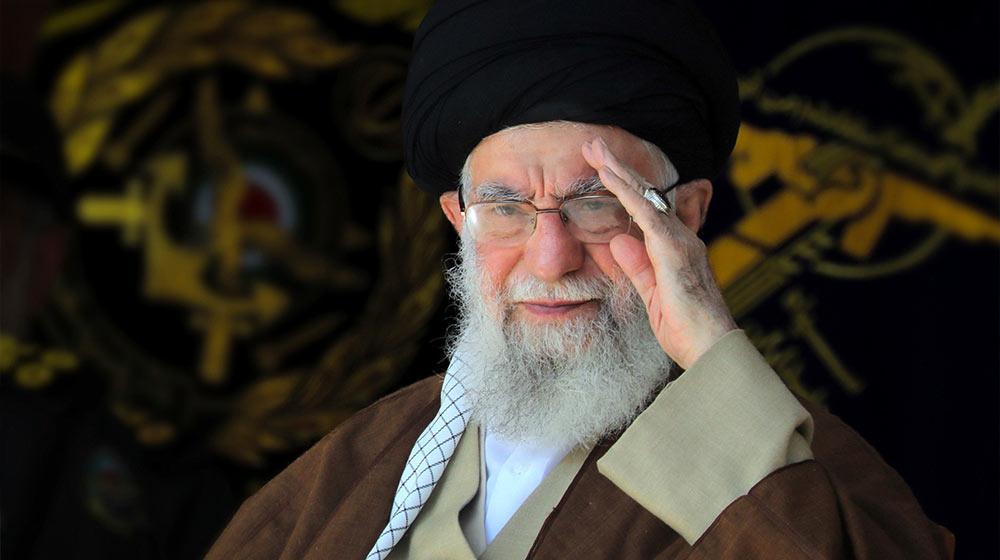
Upon Khomeini’s death in 1989, Khamenei was appointed Supreme Leader by the Assembly of Experts, a position he held for over 36 years until his assassination. As Supreme Leader, he wielded ultimate authority over Iran’s military, judiciary, and foreign policy, shaping the country’s hardline stance against the West, particularly the US and Israel, whom he often referred to as the “Great Satan” and a “cancerous tumor.” He supported Iran’s nuclear program, proxy militias like Hezbollah and Hamas, and resistance against Western influence in the Middle East. Domestically, he oversaw periods of economic sanctions, social unrest (including the 2009 Green Movement and 2022 protests over Mahsa Amini’s death), and efforts to maintain Islamic governance amid modernization pressures.
Khamenei authored numerous books on Islamic thought, poetry, and politics, and was known for his austere lifestyle. He leaves behind a complex legacy: revered by supporters as a defender of Shia Islam and Iranian sovereignty, but criticized by opponents for authoritarian rule, human rights abuses, and regional meddling. His death at 86, amid foreign strikes, cements his image as a martyr in Iranian narratives, potentially influencing the succession process and Iran’s future trajectory.