

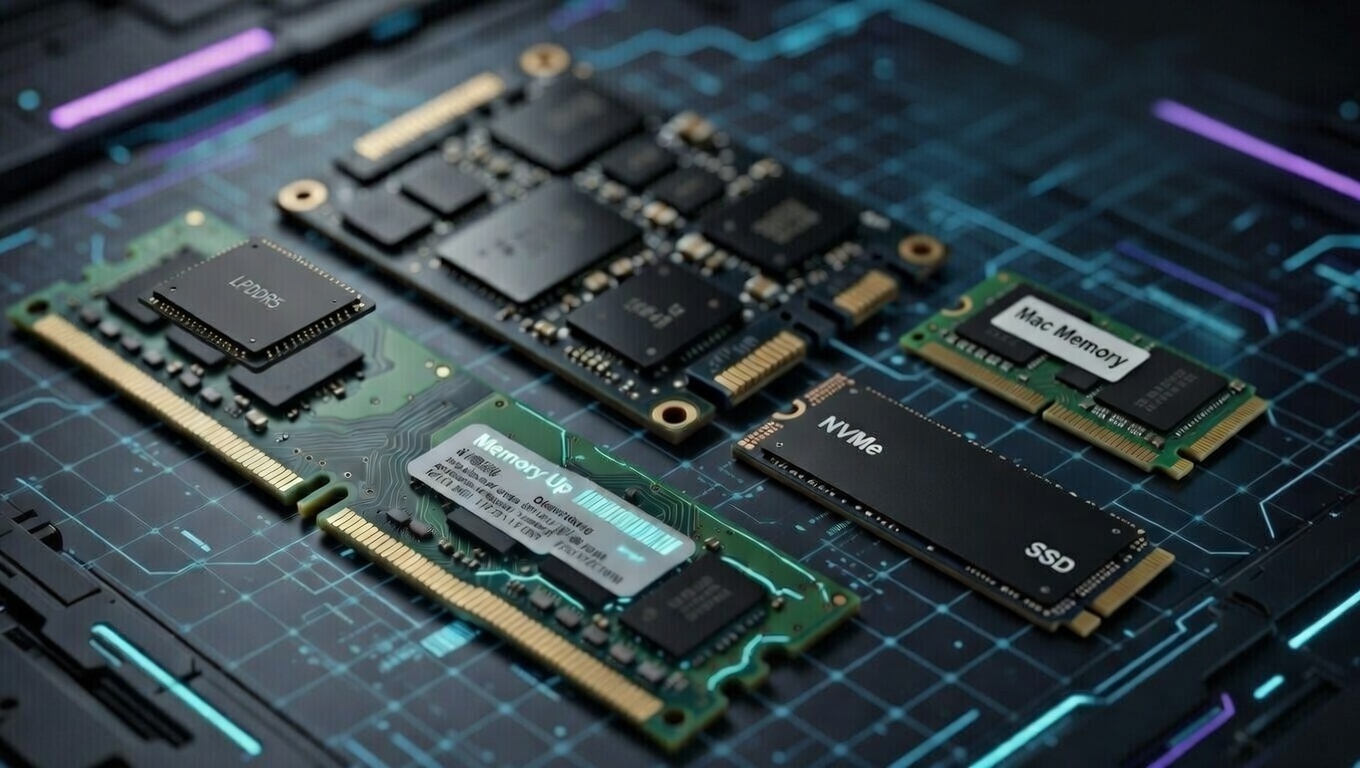
Apple has reportedly accepted a 100% price increase for Samsung’s LPDDR5X memory modules to secure supply for its 2026 devices, driven by global shortages linked to AI data center demands.
Even tech giants like Apple, known for their meticulously controlled supply chains, are not immune to the ongoing global memory shortage. According to a recent report from Korean financial outlet Dealsite, Apple has agreed to pay approximately double the previous price for LPDDR5X low-power DRAM modules supplied by Samsung. This type of memory is crucial for Apple’s wide range of products, including iPhones, iPads, and Macs, powering their high-performance yet energy-efficient operations. The negotiations reportedly started with Samsung pushing for a 100% hike, far exceeding their initial target of 60% for iPhone-specific production, and Apple ultimately conceded during emergency talks to ensure adequate supply for the first half of 2026. Industry insiders highlight intense competition among smartphone brands to lock in inventory amid these constraints.
The root cause of this shortage traces back to surging demand for high-bandwidth memory in AI data centers, where companies like Nvidia are diverting manufacturing resources toward more lucrative enterprise-grade products. This shift has led to dramatic price escalations; for instance, 12GB LPDDR5X modules that cost $25–$29 in early 2025 are now fetching around $70. Interestingly, even Samsung’s own mobile division is grappling with similar issues, resorting to sourcing DRAM from Micron for the upcoming Galaxy S26, as internal production falls short.
Looking ahead, Apple is set to unveil refreshed models like the MacBook Pro, MacBook Air, iPad, iPad Air, a budget-friendly MacBook, and the iPhone 17e in the coming week, with no immediate signs of retail price adjustments. However, prolonged component cost pressures could squeeze profit margins or prompt changes in pricing strategies. The ripple effects extend beyond Apple, with forecasts warning of potential declines in overall smartphone shipments in 2026 if shortages persist. Larger players like Apple and Samsung may weather the storm better, but smaller manufacturers could face steeper challenges. In Pakistan, where tech imports are sensitive to global price fluctuations, consumers might see indirect impacts through higher device costs or delayed availability, underscoring the interconnected nature of the global supply chain