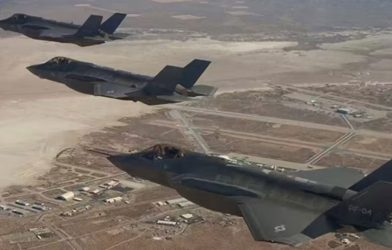
The US troop deployment Middle East may increase significantly as Washington considers sending up to 10,000 additional troops to the region. Reports suggest the move would strengthen the current military presence as tensions continue to rise following ongoing conflict involving Iran.
According to media reports, the proposed deployment would support thousands of US paratroopers and Marines already stationed in the region. Donald Trump has maintained that diplomatic talks with Iran are progressing, but military preparations indicate that Washington is keeping multiple options open.
The US troop deployment Middle East reflects a broader strategy to increase readiness in case the situation escalates further. Reports from The Wall Street Journal suggest the additional forces would give the US more flexibility in responding to developments in the region.
Officials have not confirmed exact deployment locations. However, reports indicate that troops could be positioned near key strategic areas, including regions close to Iran and vital oil routes. This positioning would allow rapid response if required.
At the same time, Iran has issued warnings about potential retaliation. Officials in Tehran have indicated that any ground invasion could trigger wider conflict, including attacks on shipping routes through allied groups. Such actions could open a new front in an already volatile situation.
Despite these developments, Trump has repeatedly stated that the US does not plan to send ground troops into direct combat. He has also emphasized that ongoing talks aim to reduce tensions, even as military options remain under consideration.
The situation remains uncertain. Diplomatic efforts continue alongside visible military preparations, highlighting the fragile balance between negotiation and escalation in the region.