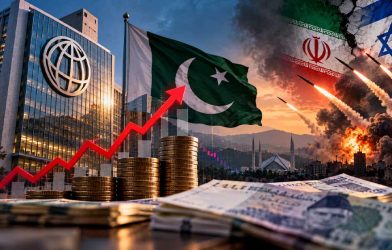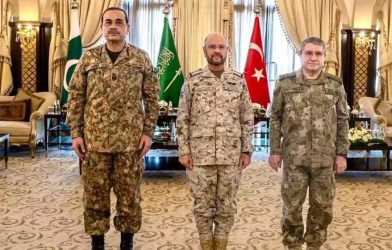


A significant geopolitical shift is currently unfolding across the Middle East. Pakistan has emerged as a central player in a new diplomatic initiative aimed at easing tensions between the United States and Iran. Key regional powers, including Qatar, Türkiye, Saudi Arabia, and Egypt, are now working together to find local solutions to the ongoing crisis. This group is increasingly bypassing traditional Western channels to address the dangerous escalations following recent military strikes. The emergence of Pakistan and Iran peace talks as a priority reflects a collective desire to prevent a wider regional conflict.
The first major engagement of this new “anti-war axis” took place in Riyadh on March 19, 2026. Representatives from the participating nations gathered to discuss immediate de-escalation strategies. Since that meeting, several parallel diplomatic tracks have opened to reduce hostilities. Pakistan’s involvement is particularly noteworthy as it positions itself as a pivot for multilateral diplomacy. By engaging directly with regional neighbors, the country is helping to manage a security crisis that affects the entire Muslim world. These Pakistan and Iran peace talks signal a move toward regional autonomy in security matters.
A Strategic Shift in Middle Eastern Diplomacy
Other nations are also taking bold steps to maintain stability. Qatar’s Prime Minister recently held direct discussions with the Iranian Foreign Minister regarding a ceasefire. While Doha remains careful not to label these as formal negotiations, they insist that diplomacy is the only viable path forward. Similarly, Türkiye has maintained constant communication with the leadership in Tehran. Social media analysts view these combined efforts as a major strategic recalibration. Regional actors are no longer waiting for external intervention; they are taking charge of their own geopolitical destiny.
Pakistan’s role in these discussions highlights its growing influence as a constructive partner in global affairs. Despite the sensitivity of the moment, the country has managed to balance complex relationships to foster dialogue. Whether these efforts will lead to a lasting truce remains to be seen. However, the current momentum shows a clear preference for negotiation over military confrontation. As the world watches these developments, the focus remains on whether this regional axis can successfully bridge the gap between Washington and Tehran. Stability in the Middle East now depends on the strength of these local diplomatic ties.